
Screenings will be held at Sinematek/Sinemaevi's Kadıköy location.
We recommend purchasing tickets in advance for screenings and arriving 15 minutes early. Please note that late admission to the theater is not possible once the film has started, and that the seats are unnumbered.
| DATE | DAY | TIME | FILM |
|---|---|---|---|
| 4 February | Wednesday | 20.00 | Punishment Park |
| 7 February | Saturday | 14.00 | Privilege |
| 8 February | Sunday | 14.00 | Edvard Munch |
| 10 February | Tuesday | 20.00 | The War Game Culloden |
| 15 February | Sunday | 14.00 | La Commune (Paris, 1871) |
| 21 February | Saturday | 13.00 | The Journey (Resan) [PART 1] |
| 22 February | Sunday | 13.00 | The Journey (Resan) [PART 2] |
| 27 February | Friday | 20.00 | The Gladiators (Gladiatorerna) |
| 1 March | Sunday | 14.00 | The War Game Culloden |
| 16.15 | FORUM | ||
| 18.30 | Punishment Park | ||
| 4 March | Wednesday | 20.00 | Privilege |
| 7 March | Saturday | 14.00 | La Commune (Paris, 1871) |
| 15 March | Sunday | 14.00 | Edvard Munch |
| 28 March | Saturday | 13.00 | The Journey (Resan) [PART 1] |
| 29 March | Sunday | 13.00 | The Journey (Resan) [PART 2] |
| 4 April | Saturday | 14.00 | The Gladiators (Gladiatorerna) |
| 16.00 | FORUM | ||
| 7 April | Tuesday | 20.00 | Special Screening: Peter Watkins's Shorts |
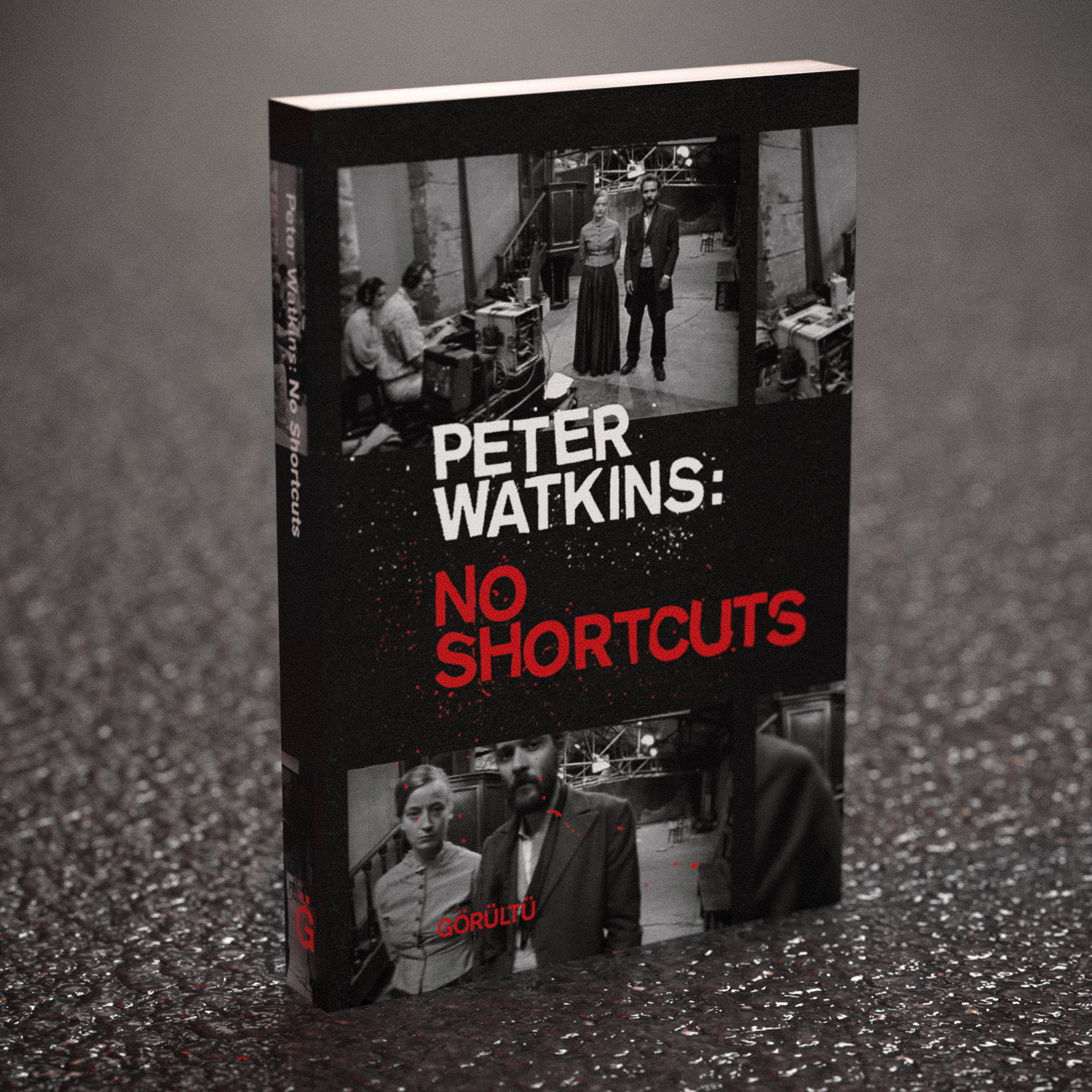
Görültü is pleased to announce the release of a major new publication titled Peter Watkins: No Shortcuts, dedicated to the ever-urgent, challenging and critically overlooked work of the late British filmmaker Peter Watkins (1935–2025), in conjunction with the 2026 retrospective of the same title.
Founded in Istanbul in 2025, Görültü is an independent cultural initiative dedicated to watching and discussing films, and supporting new productions. Peter Watkins: No Shortcuts, their first publication, offers a critical re-evaluation of Watkins’s practice as both a maker, theorist and polemicist of cinema—from his theory of the Monoform to his monumental durational projects like La Commune (Paris, 1871) and The Journey.
Made possible with the generous support and partnership of the Watkins estate, Peter Watkins: No Shortcuts brings together an all-new collection of essays by a wide selection of scholars, filmmakers, critics, and cultural theorists, exploring the many aspects of Watkins’s idiosyncratic practice—from the ethics of nuclear representation to the pedagogical impulse that runs throughout his entire body of work—including new historical research and personal encounters with the director himself.
Published as two editions in English and Turkish, Peter Watkins: No Shortcuts features contributions from Umut Tümay Arslan, Senem Aytaç, Burak Delier, Dónal Foreman, Emma Claire Foley, Leo Goldsmith, Victor Guimarães, Alyssandra Maxine, Merve Şen, Nando Salvà, Thomas Sideris, Julian Stallabrass, Merve Ünsal, and Fırat Yücel. Co-edited by Çağla Özbek and Emrah Serdan, and translated by Murat Güneş, İpek Tabur and Emrah Serdan, the volume includes Watkins’s momentous essay on the Monoform, an introduction by the founding members of Görültü and an afterword written by the late director’s son, Patrick Watkins.
Below, we present Watkins’s essay The Dark Side of the Moon — The Global Media Crisis, in which he voices his strong objections to the dominant language of mass audiovisual media, which he calls the Monoform.
The Dark Side of the Moon
The Global Media Crisis
Peter Watkins
The following statement is the first of two parts. It is specifically concerned with the language form of the mass audiovisual media—i.e., the use by the MAVM (mass audiovisual media) of a repetitive, standardised structure, and abbreviated time and space, to control the audience. I am concentrating on this little debated aspect of the media first, because it has played an essential role in developing the narrative structure which has been in place, and enforced, since the birth of the cinema. It is my contention that had we acknowledged and critically confronted this Monoform language decades ago, we would probably not be where we are today—in the grip of the relentlessly abbreviated MAVM and so-called "social media".
Part II will discuss aspects of the new technology (Facebook, Twitter, etc.) and their subterranean relationship—in combination with the MAVM—to the increasing acceptance of global authoritarianism and the rise of populism. Part II will also introduce some thoughts on the role of print media in the growing crisis, and critical research by the French author Juliette Volcler on the growing (mis)use of sound, including by the mass media. It will also present alternative media education principles and practices, and a number of references to supportive voices for my own work over the past 50 years.
By the "global media crisis" I mean a composite of issues relating to the standardization of the Mass Audiovisual Media, which began early in the 20th century with the development of the language form used by Hollywood to narrate and structure cinema films. This language form, which fundamentally has never changed, was adopted by international TV in the 1950s and is now taken on by the internet, YouTube, social media, etc.
In the mid-1970s, during summer courses at Columbia University in New York City, a group of students and I studied and specified the characteristics of this uniform and repetitive language form which frames almost the entire output of the MAVM. We called it the Monoform.
With few exceptions, the Hollywood Monoform has been adopted by virtually all creators of commercial films, most documentary films, and by all aspects of television production including news broadcasting. This global adoption of one language form—in effect a standardisation of the mass audiovisual media—is a central issue of the media crisis. It means, for example, that a documentary film can basically have much the same form and narrative structure as a Netflix drama series.
The Monoform is like a time-and-space grid clamped down over all the various elements of any film or TV programme. This tightly constructed grid promotes a rapid flow of changing images or scenes, constant camera movement, and dense layers of sound. A principal characteristic of the Monoform is its rapid, agitated editing, which can be identified by timing the interval between edited shots (or cuts), and dividing the number of seconds into the overall length of the film. In the 1970s, the Average Shot Length for a cinema film (or documentary, or TV newsbroadcast) was approximately 6-7 seconds, today the commercial Average Shot Length is probably circa 3-4 seconds, and decreasing.
It is my belief that the excessive demands of these flashing images on our emotional and intellectual responses can lead to blurred distinctions between themes, and to a confusion in selecting and prioritising our reactions (e.g., to the news scene of a bleeding body in a bombed area in Syria, which is followed by a commercial message, and sooner or later, by the image of a similarly bleeding body in a film or TV drama, etc.).
Despite academic claims that audiences have become "media literate", the standardised rate at which audiovisual information is delivered is probably far too swift to be properly managed by the brain, which has to digest and process the rapid and continual change of visual (and audio) information from one scene to the next, and to the next, and to the next, and so on. I can anticipate a negative response from the media education sector to this analysis on the grounds that it is "arrogant" to presume that audiences cannot understand or decipher the workings of the Monoform (even if they believe such a thing exists). But the fact that viewers ingest the Monoform every day is not a precursor to understanding how (or why) it functions in the way that it does. The form itself may neutralise any understanding of how it works, including by habituating us to its presentation, not to mention its more subterranean and less perceivable properties. As this subject is never raised by the MAVM, and is too rarely discussed by media educators, there is hardly a wealth of analysis or information for people to rely on.
Media scholars also claim that this fragmented message process is beneficial, because—in true postmodern tradition—it allows us to interpret audiovisual material in multiple different ways. But without a public forum or collective discussion, these fragmented individual reactions are not likely to deliver us out of our present global predicament. Can we look at the political, social and environmental chaos of our world, and not wonder if the most powerful forms of communication ever devised by man might play a role in what is happening?
The other day there was a public meeting in our village in France, on the theme "Comment s'adapter face au changement climatique" (How to adapt to climate change). Notably, the thrust of the talk was adaptation. Insulating a roof to prevent heat loss is important, but it is not an analysis of what has caused climate change, or how to oppose it, or the role played by the MAVM in fostering it. In precisely the same way, audiences, most media professionals, and educators all over the world have adapted to the Monoform and its effects—with little discussion, query or challenge.
Generally, of course, we can only speculate on the long-term psychological and environmental effects of the sustained use of the Monoform MAVM. But amongst those that have come to light, as early as in the 1990s, is the fact that there has been a severe drop in the attention span of children (and now most adults) over the past 3-4 decades.
Significantly, we have done nothing to try to reverse this attention span problem, nor do we even discuss its possible sources. Why is this? I think it bears repeating that this may be due to the fact that the language of the Monoform Mass Media has itself neutralised our very awareness of its effects, deprioritising or even blocking any attempt to challenge it—let alone change it.
In considering the problem of standardisation, it is important to keep in mind that the Monoform is just one of numerous audiovisual language forms and processes that are available to the mass media and to the individual filmmaker. Cinema, TV, popular culture, news programmes and documentaries could allow multiple variations in the use of time, space and rhythm. The potential for variety is borne out by the various alternative narrative, documentary, and experimental films that have been produced during the relatively brief history of the cinema. Many of them do not use the Monoform to relate to their audiences. Unfortunately, given the crushing weight of the contemporary MAVM, most alternative works are rarely seen other than at "specialist" film festivals or film courses.
This in turn means that the MAVM continue to prevent any serious professional debate, or open discussion in public, as to the ways in which we could learn, including from alternative works, how to break out of the standard media practices and unseal the stultifying existing relationship between the MAVM and the audience.
We can extrapolate from all of this that the Monoform is not only a particular language form, but that it is also the entire ethos behind the approach of the MAVM towards mass communication and the relationship with the public. The very word "communication" is a misnomer to start with, since a genuine two-way communication does not exist in the way that the MAVM functions—either with respect to their own fellow professionals, or regarding the public.
As far as the internal environment of the MAVM is concerned, their members have created and accepted their own professional practices ("demons" I prefer to call them). These include the demeaning exercise called "pitching", in which filmmakers seek funding for their TV or film projects by standing before their fellow professionals and proposing a programme idea in approximately six minutes. It is visibly apparent that a professional practice like this reproduces the ethos of the Monoform. Six minutes to evaluate, to accept or reject, the theme of a documentary film?
There is also the TV scheduling practice known as the "universal clock", in which a programme hour is in fact 52 minutes (or less), in order to allow time for commercial advertising. This means that those TV programmes and films that can be explained in six minutes are then edited to a uniform length of precisely 52 minutes, irrespective of the demand or importance of their theme. The "universal clock" allows TV stations to replace programmes (they should be called "modules") at the last minute, by others of the same length.
This Kafkaesque situation is far worse in its implications for the public. I have already described how the mass audiovisual language form is usually constructed. But what is the ideology that supports it? Perhaps we can't give it a precise name, but we can certainly describe its intent, which is the opposite of any form of genuine two-way communication. The aim of the MAVM is to create a non-stop stream of impact points (surprises as one filmmaker called them) that will prevent viewers from being bored, and—crucially important—from experiencing a variety of reactions, let alone have time to reflect upon or query what is entering their subconscious. Of course, human nature doesn't always work this way, but that does not alter the intent of the professional Monoform creators.
***
The MAVM are not alone in creating and maintaining the crisis described here. Much of the world of Media Education—including Media, Journalism and Culture Studies, Cinema and TV Studies, teacher training courses, national film schools, universities—is now complicitous with the MAVM in constraining the relationship between the audiovisual media and the public.
Over the years most MAVM and media education professionals have enforced the Monoform as the declared sine qua non for the success of any cinema film, TV programme or documentary. "Success" here does not mean conveying audiovisual messages in such a manner that the audience is participating in a pluralistic manner in the process. On the contrary, for many professionals, "success" means creating a captive audience that passively allows hierarchical audiovisual messages—overt and covert—to penetrate deep into its subconscious. The potential consequences inherent in using the MAVM are rarely discussed by media professionals, and hardly more so within the corridors of most contemporary media education institutions. Discussion of the topic at the tertiary level is usually subsumed by the prioritised instruction of the ways and techniques – the "skills" or "standard practices" of the Monoform.
For example, I once asked a professor of media studies at a university in the south of France about critical teaching, and the Monoform, in their courses. He hesitated, and then said, "Well, we do teach them standard media practices". I asked if he meant the Monoform… "No, no!" he said hurriedly, and then proceeded to reassure me that he meant teaching the students practical things like which buttons to press on the editing machines. He avoided telling me what the students were taught once they knew which buttons to press, but he did clarify the position of his media department: "We do allow the students to make their own alternative films, but of course we know that these students will never enter the professional media..."
On record is the following statement made by a TV executive: "We're ahead of the game because we've had to do it for so long... you build in the customisation right from the word 'go'—almost the moment that the pencil touches the paper pad... there are film-makers who quite justifiably say: 'This is my work and I want it to stay as it is'. That's their right and we respect that. Those are the films we don't buy and those are the films we don't transmit."
What is striking here (apart from the irony that the speaker was an executive at the Discovery Channel!) is not only the fact that the media education sector knows, a priori, that the MAVM will generally avoid or suppress alternative work, but also the implication that educators appear to be doing little, if anything, to change—let alone challenge—this situation.
It must be despairing to those students with different visions of film and the documentary form, to realise that in reality they have been written off by their teachers, and that they cannot expect professional support once they leave the tertiary sector, simply because they have chosen non-standard forms of audiovisual expression.
This raises an essential question: what exactly is the role of a school or university media course? Is it to provide authoritarian and narrowly directed professional training as a form of apprenticeship prior to entering a particular profession or industry? Or is education, in the broadest sense, meant to encourage people to examine the world around them, and to offer a variety of views and alternative possibilities—along with the freedom to develop their own critical insights and their own creative talents?
The answer to this question is, sadly, all too obvious. I have recently begun to research courses listed on the websites of UK universities offering media education, and of the dozen that I have thus far checked, nearly all appear to teach the "standard practices" of the MAVM to media, film, and journalism students—the idea being, presumably, that they will provide "fresh blood" for the machinery of the mass communication industry. Disturbingly forthright in their publicity, most of these universities offer "out of the box" and "cutting edge teaching", "critical training" and promises of "job placement" within the mass media.
I suspect an obfuscation of the terms of reference here, including of the word "critical". "Out of the box" actually means jumping out of one box into another. Not discussing the media crisis or the problems inherent in the standardisation of the MAVM will always affect students, and in turn the viewing/listening/reading public.
One needs to be wary of promises such as, "you'll be taught by leading names in media, communications and cultural studies". Many of these teachers and media workers have themselves grown up as children of the Monoform, often with no genuinely critical media education, with the result that most of them view the standardised media as being a "normal" part of the culture, and thus beyond any holistic challenge.
One UK university writes: "Film is the dominant art form of the 21st century, both reflecting and influencing society and culture. Learning to read films as more than a form of entertainment will develop your skills in analysis and interpretation." But further down one reads that this same university has spent an incredible sum of money (enough to feed, clothe and shelter thousands of displaced persons) on "investment in college facilities to make sure students have access to the most up-to-date, industry-standard equipment. Our strong industry links with employers means our students are now expected to secure work placements as part of their wider learning..."
I had hoped that colleges of art might somehow be an oasis in this depressing scene, but in my initial research I immediately came across a college of art in the UK which offers media training courses and uses a local video production company to provide equipment and training. The promo video produced by this company for the college is almost a satire of the biff-bang-wallop genre, with scenes flashing by in less than a few seconds. Accompanied by jarring music and gymnastic camera movements, it is practically a do-it-yourself exercise in producing the Monoform.
Media Popular Culture is another broad front embracing non-critical media education. By the early 1980s, teaching popular culture had become almost as big a business as the MPC itself. The propaganda in this case included an emphasis on the alleged "democratic values" inherent in popular culture (soap operas, crime series, etc.) by nature of its "street level" commonly shared appeal.
Accompanying the propaganda was the barely veiled threat by certain academics that opposition to media popular culture was "middle class and elitist". This form of rarely challenged marginalisation effectively became a serious obstacle to genuinely critical media education. And thirty years later we have very little critical discussion about the authoritarian nature and values of popular media "standard practices"—including regarding their role in embedding the Monoform deeply into the MAVM culture, and thereby delivering us into the arms of commercial interests and the dictates of the State.
Why are the media departments of many tertiary institutions complicitous in the media crisis, why do they behave like branches of the MAVM rather than independent places of learning?
I understand the need for job placement in this day and age—but job placement into what, and with what end in view? I have often heard media students, who have worked in the MAVM for a year or two, say that they had known of the difficulties in their profession, and that they had planned to change things, to develop their own ideas once they entered the mainstream. It took about a year or so for reality to hit home...
Why do so many universities compound the problem by denying their students a more holistic and critical evaluation of the MAVM and their role in society?
Non-critical media teaching is now spreading like wildfire to the secondary school sector. Various countries use their education systems to impart to their students the "skills" necessary to shoot films and videos (even if these students have no intention of joining the MAVM), thereby utilising a classic method for teaching young people to accept the consumerist and fragmented popular culture.
As an example of the general direction of global media teaching, I quote from a promotional blurb about a program in the French national education system called CLEMI, which focuses on drawing secondary school pupils into the web of the media popular culture, and professional skills: "Each year, thousands of students take the floor, and, with the help of their teachers, produce print and online newspapers, radio programs and videos. School media projects enable young people to acquire skills far beyond traditional knowledge." There is no prize for guessing what skills and world views are involved here, and what role the Monoform plays therein.
I can imagine a rebuttal from this sector claiming that youngsters are being taught to be "media literate", but as this pedagogy seems to be based on teaching how to "appreciate the aesthetic pleasures" of cinema, it is doubtful that there is much critical evaluation of the MAVM. I wrote to several local French schools which promote the CLEMI programme, to ask if they discuss the standardization of the MAVM, but had no reply even to repeated letters.
Many media and education professionals deny the existence of one standardised, controlling audiovisual form. Indeed, most actually seem to be unaware of the role played by a structural language form when they produce (or teach) cinema and TV, and appear to have great difficulty in accepting that the way in which a message is shaped and delivered directly affects the way in which the message is received and perceived.
If, for example, I am at a public meeting, and I have a message to pass to someone in the audience facing me, I do have choices. I can speak directly from the platform. Or I can write the message on a piece of paper, put it into a steel film can, and hurl the can at the victim. Conversely, I can sit beside the person, and quietly give him/her the same message. Even better, I can engage in a dialogue. Each method delivers the message, but each method has an entirely different meaning for the participant who receives and accepts said message. And, yes, there has been a choice.
Yet we who work with the MAVM—especially those of us who produce, direct, edit, or teach—seem mostly unable to apply this logic to how we structure audiovisual messages, to grasp that how we organise filmic time, space and rhythm can directly affect how the viewer perceives the content, or to imagine that there are numerous possibilities for variations in this process. And so, media teachers continue to teach media students—and even more disturbingly, secondary school pupils—the "skills" that are necessary for the "standard practice" of making a film or a video.
Apart from the MAVM's likely role in fostering consumerism, climate change, sexism, aggression, fear of the other, anti-immigrant sentiments, privatisation instead of collectivity, etc., and apart from the destructive role that enforcement of media standard practices has played on the creative development of the cinema and television, we are also continuing to deny any public or pedagogical debate about the possibility of democratic choice in how the general community receives audiovisual material. We deny the public any form of pluralistic role in the creation and reception of the MAVM. Clearly we professionals don't want this—we want the public at a safe arm's length, for they frighten us. Therefore we use a language form calculated to deny time and space for reflection, let alone interrogation as to what viewers are watching and listening to.
Given this situation, trying to find a place of learning without the industry directed traps that I have described here requires careful navigating for a non-authoritarian and more open-ended form of media education. It does still exist. I located an internet site of an English university that states: "We live in a multicultural society and media-saturated world. Most of what we know about the world comes to us through the media—but how much do we know about the media? Whether as sources of information, producers of entertainment or modes of creative self expression, contemporary media are all too seldom subject to intense scrutiny and critical interrogation, except during feverish moments of scandal, crisis or panic."
This university is suggesting that students probe these issues by fusing sociology, cultural, and media studies; indeed the course is offered from within the Department of Sociology. The website continues: "You will be encouraged to reflect critically on the role of popular media in structuring our everyday lives. The course examines the role of media in reproducing, disseminating and challenging hegemonic power relations, as well as thinking through the ways in which genders, sexuality, and 'race' are constructed in global media cultures."
"This is not a vocational or practice-based degree. However, it is a degree that will teach you skills in critical thinking, independent research, and analysis highly relevant for development and innovation in the cultural and media sectors."
I have not attended this course, nor visited this university. I am just very encouraged by what it writes, and by the fact that it is not accompanied by claims of a new multi-million dollar studio or any blandishments to be "out of the box" and at the "cutting edge".
***
I do understand that the issues I refer to are not black and white. For example, I have noticed new developments creeping into the language form of various narrative feature films in the past decade or so—a willingness to hold the camera on the face of someone during a dialogue scene, an increased complexity of narrative structure, fusing past and present, etc. One cannot say to what degree these sorts of changes are due to an increased critical understanding of the Monoform problem, or simply there as interesting stylistic changes. Repeated use of the latter can of course result in their becoming elements of the Monoform, or, equally possible, a new revised Monoform.
Even more complex is the fact that the use of the Monoform in and of itself cannot, and does not, always override the value of the theme, or the intensity of the acting, or a particular complex structure. We have all seen films where these elements outweigh the constraints of the Monoform. For example, the other evening my wife Vida and I viewed a film from Iran, entitled Life+1 Day (2016, Saeed Roustayi). Set in present-day Tehran, the film represents a family caught up in the problems of poverty, drug addiction, and an arranged marriage that will leave the family even worse off. The ensemble playing was remarkable, and in no way constrained by the Monoform. Of course, the same dynamic effect—the same awareness brought to bear on the suffering caused by poverty—could have been achieved by other language forms, but this does not change the fact that it was very effective as conveyed here by the Monoform. This does not, however, mean that the Monoform functions equally well when applied uniformly to nearly all audiovisual material!
***
I need to draw attention now to another highly problematic aspect of the Monoform—the repression that keeps it in place. The fact that I give examples of the marginalisation of my own work does not—I want to stress—mean that these experiences are unique to myself. But as I do not have access to the life experiences of other filmmakers, I offer a few examples from my own, as evidence of the way in which alternative, critical ideas are discredited and marginalised within the audiovisual media.
To begin at the beginning of my own story: after an enjoyable period of making amateur films, I went on to train, in the early 1960s, at the BBC. There we were taught that professional "objectivity" was the absolute sine qua non of TV broadcasting. We were informed that if we did not apply this standard, but allowed subjectivity to influence our work, we would have to leave the BBC and "make our name in some other field"(!). The Monoform was obviously never discussed—nor was the lie that there is a "neutral" way of presenting audiovisual information. Although I was unaware, before my time at Columbia University in the mid-1970s, of the problems of the Monoform, and despite the fact that I used this language form liberally to structure my own work, I did try from the outset to subvert the concept of media "reality" and infallibility. I used what I hoped was a visible warning sign (a fake documentary style), and I did express my subjective feelings in my work (regarding the consequences of nuclear war in The War Game, the conformist effects of popular culture in Privilege, the treatment of protesters in Punishment Park, the personal sentiments expressed in Edvard Munch, etc.). But I am not at all sure that these attempts outweigh the perceptual problems inherent in the Monoform as I used it in these and other works prior to the 1980s.
I definitely tried to challenge the standard Monoform structure in my later films, The Journey, The Freethinker, La Commune—but their success or otherwise is not something that I can judge.
The criticism of my films by both the MAVM and a good number of film critics has been non-ending. It began in the 1960s with the banning of The War Game and with deliberate attempts by the BBC to blacken my name at that time. The marginalisation in the UK escalated with vehement attacks by the British press on my first feature film Privilege, and with the TV banning of Punishment Park in the United States (which continues to this day); it included the blocking of my proposals for TV drama-documentaries on the danger of nuclear meltdown (I was told that this could never happen); it persevered with the refusal by the Franco-German TV station Arte (co-producer of the film) to screen La Commune at a normal hour, followed later by the destruction of the film negative by the original producer, etc.
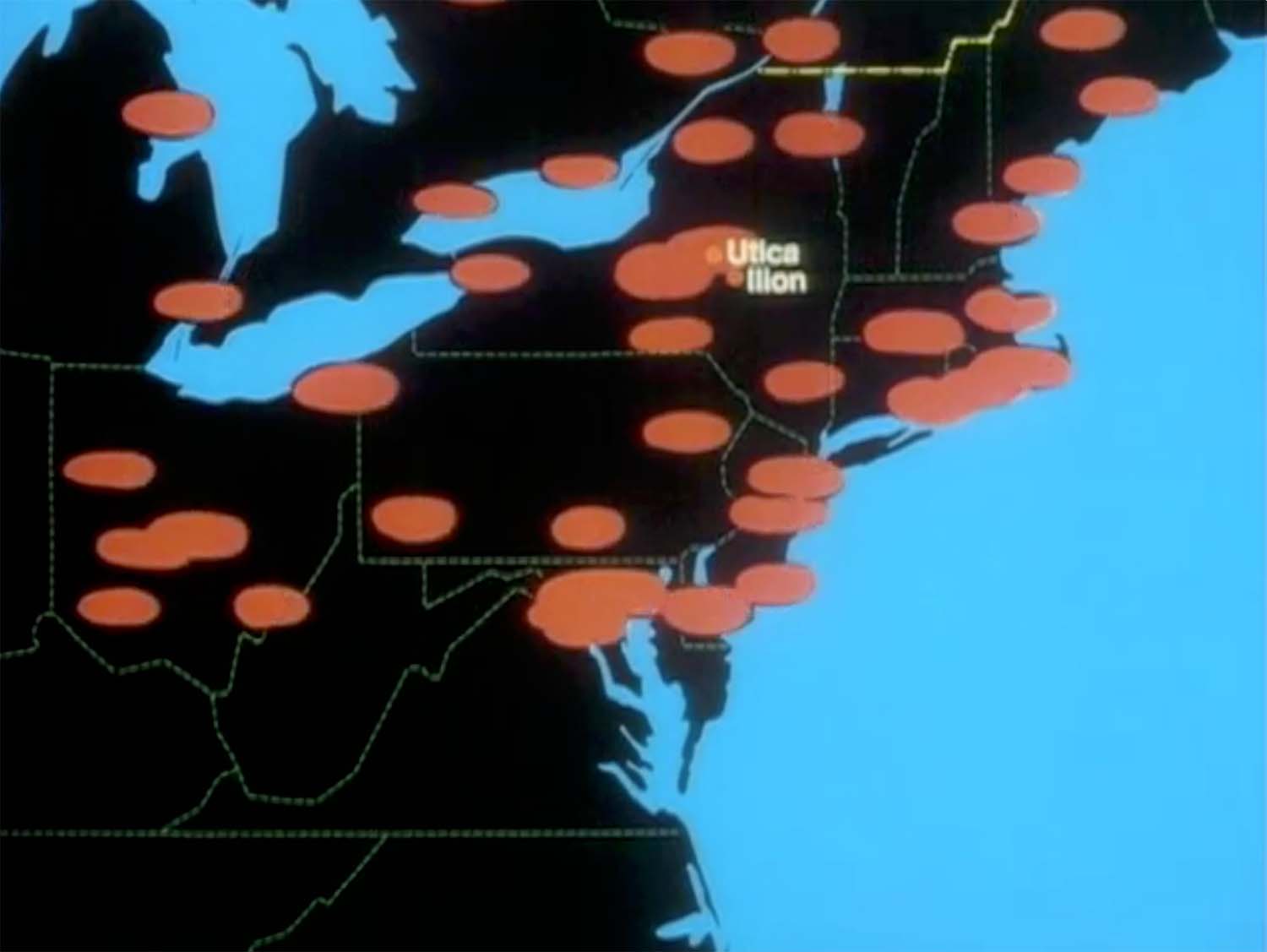
Actions such as these have been interwoven with the long running marginalisation by media educators of my critical work on the Monoform, and by schools that have not permitted me to work with their students. On the positive side, over the past years I have been much supported by a number of universities and colleges where I have held critical media courses (Columbia in NYC; Utica College, New York; Wayne State University, Detroit; Monash in Melbourne, Australia; University of Auckland, N.Z.; the Red Cross and Biskops-Arno Folk High Schools, Sweden, etc.). But I have never been accepted into the more general university milieu on a longer term basis to develop courses in critical media education.
A particularly unpleasant aspect to the marginalizing process has been the ad hominem nature of the attacks on my work—whether from my own profession or in the field of media education. Notable in more recent years is the fact that even an acknowledgement that my films may have some validity is "balanced" by an attack, often vindictive, on me personally.
For example, in Camera Historica (2008), a book on the work of various filmmakers, the author Antoine de Baecque, a French professor of Film Studies and the editor-in-chief of the French magazine Cahiers du Cinéma, writes: "Scathing accusations against the political and media 'other', and permanent suspicion of a conspiracy being fomented against him have come to constitute Peter Watkins's discourse of martyrdom. It is part and parcel of his style and method, which can be seen as paranoid... Peter Watkins can be considered both the victim and the perpetrator of his own martyrdom..." He also writes that I challenge the documentary genre with "insolent and libertarian violence".
Another example comes from the introduction materials to a conference on my work, organised by the University of Bordeaux III in 2010. About a dozen scholars gave papers and spoke seriously about my work on the Monoform at this event. It had been the only such conference on my work, and was therefore very important to me. This did not prevent the two media scholars who organized the conference from writing the following qualification in their introduction: "…as Antoine de Baecque has noted in his book, the man is an immense cinéaste before being a great thinker."
There is also an article in The Journal of Contemporary History (2006), written by a British professor of Cultural Studies. Throughout his article, "The BBC and the Censorship of The War Game (1965)", this academic keeps repeating how difficult I was to deal with (well yes, I did resist the banning of the film) with statements such as, "Watkins did himself no favours with his incessant complaints and demands... impatient, opinionated and stubborn." The professor concludes with the assertion that, "...the decision not to broadcast The War Game, far from being a conspiracy to keep the 'truth' of nuclear warfare from the British public, as Watkins maintained, was instead the result of a range of institutional and cultural factors that caused the BBC to act as it did."
I don't know when this professor did his research, but some time later, Professor John Cook, a media scholar at Glasgow Caledonian University, unearthed several BBC memoranda that proved that the BBC had indeed yielded to government pressure to ban The War Game, and that the BBC had lied to the public when it denied this fact in 1966.
Another aspect of the marginalisation against my work could be called "the wipeout"—rather than name-call, this practice pretends that my films and media critique barely exist. Some months ago, I received an email from a Turkish writer and film enthusiast, who remarked that younger generations are not aware of my work. He also mentioned that he had never seen an article about my work either in Cahiers du Cinéma or the British film magazine Sight and Sound. I have often been told that young people have not heard of my films. I think this is particularly true in my own country, where the status quo cinema organs have conducted a policy of "studied avoidance" regarding my work.
One last aspect of the media crisis is the international film festival, a phenomenon that I write about in some detail on my website. Suffice it to say here that even the less commercial festivals (e.g., the non-red-carpet variety) invariably find it nearly impossible to break their traditional pattern of mass consumption, in order to allow the public time to discuss what they are seeing. There is even less time for debating the issue of the standardised forms that are flashing before their eyes. I, and those who on occasion have represented my work, have asked festival organizers for a public discussion (not an event curated and controlled by film experts) on the issues raised by my work, but have been denied this possibility. "There is no time", we are usually told. Nor perhaps the wish.
Be all of this as it may—the problems that have beset my own work are of relevance only if they can help to raise debate on the resistance of the MAVM and the media education sector to breaking out of their standardised practises, and to seriously re-examining the nature of their impact on the public and on students.
The essential challenge is to find ways to encourage people to take up these issues with MAVM and media education professionals, to press for critical debate and democratic change that can lead at least to a genuine choice for the public between the Monoform and alternative, pluralistic media processes. The same goes for what is taught to students and pupils.
Given the difficult reality, I am extremely pleased that the Wolf Kino in Berlin has decided not only to host a retrospective of my work in May and June, 2018, but also to open it up for public discussion on the basis of its relationship to the media crisis I have shared here.
On this occasion – there will be time!
Peter Watkins,
Felletin, France, March-April 2018
This page is not referenced in the menu, yet it exists.
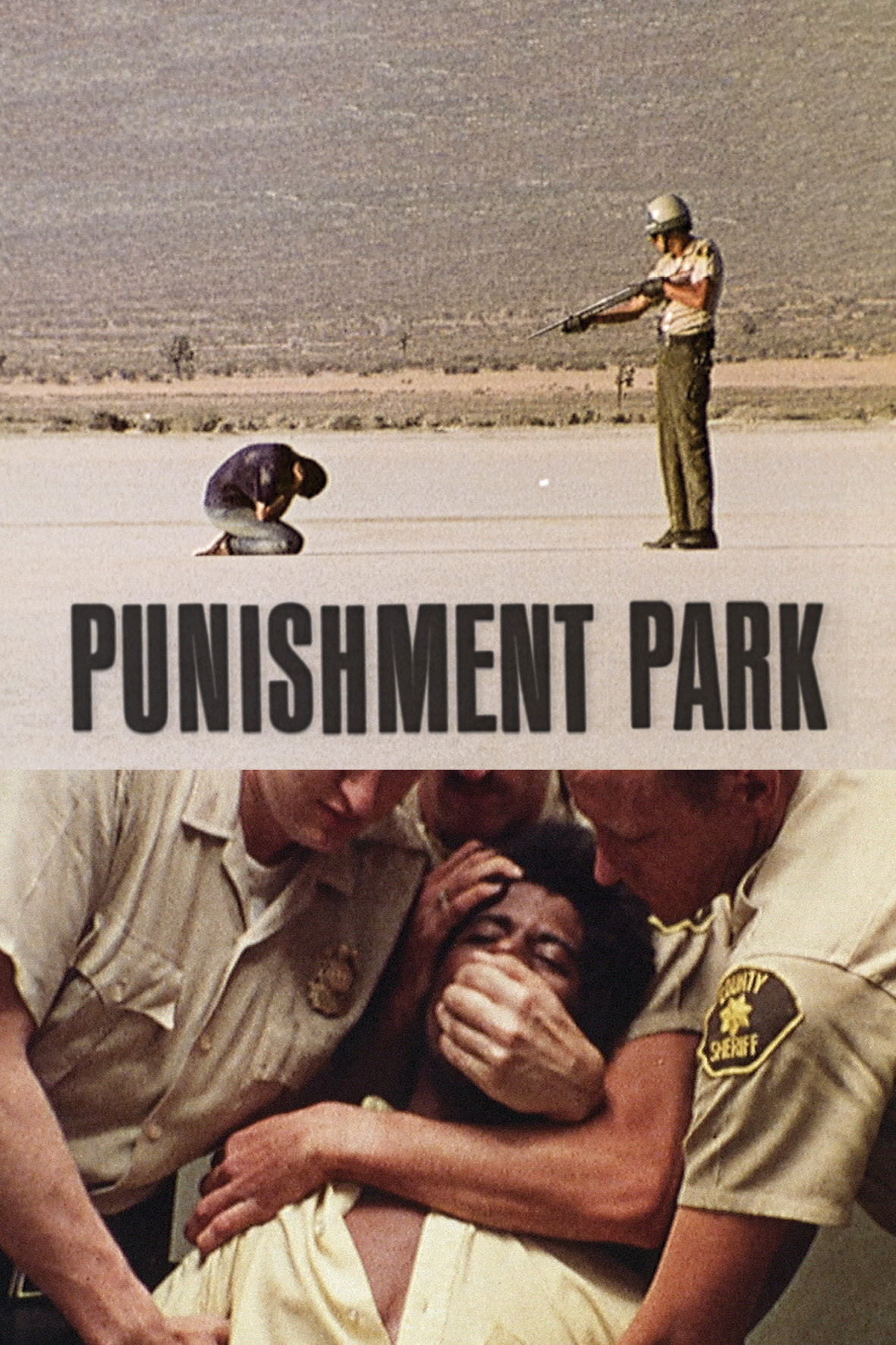
Punishment Park (1970)
| Director | Peter Watkins |
| Screenplay | Peter Watkins |
| Cast | Patrick Boland, Kent Foreman, Catherine Quittner |
| Production | USA / 1970 / 91 min. / Color / English / Turkish Subtitles |
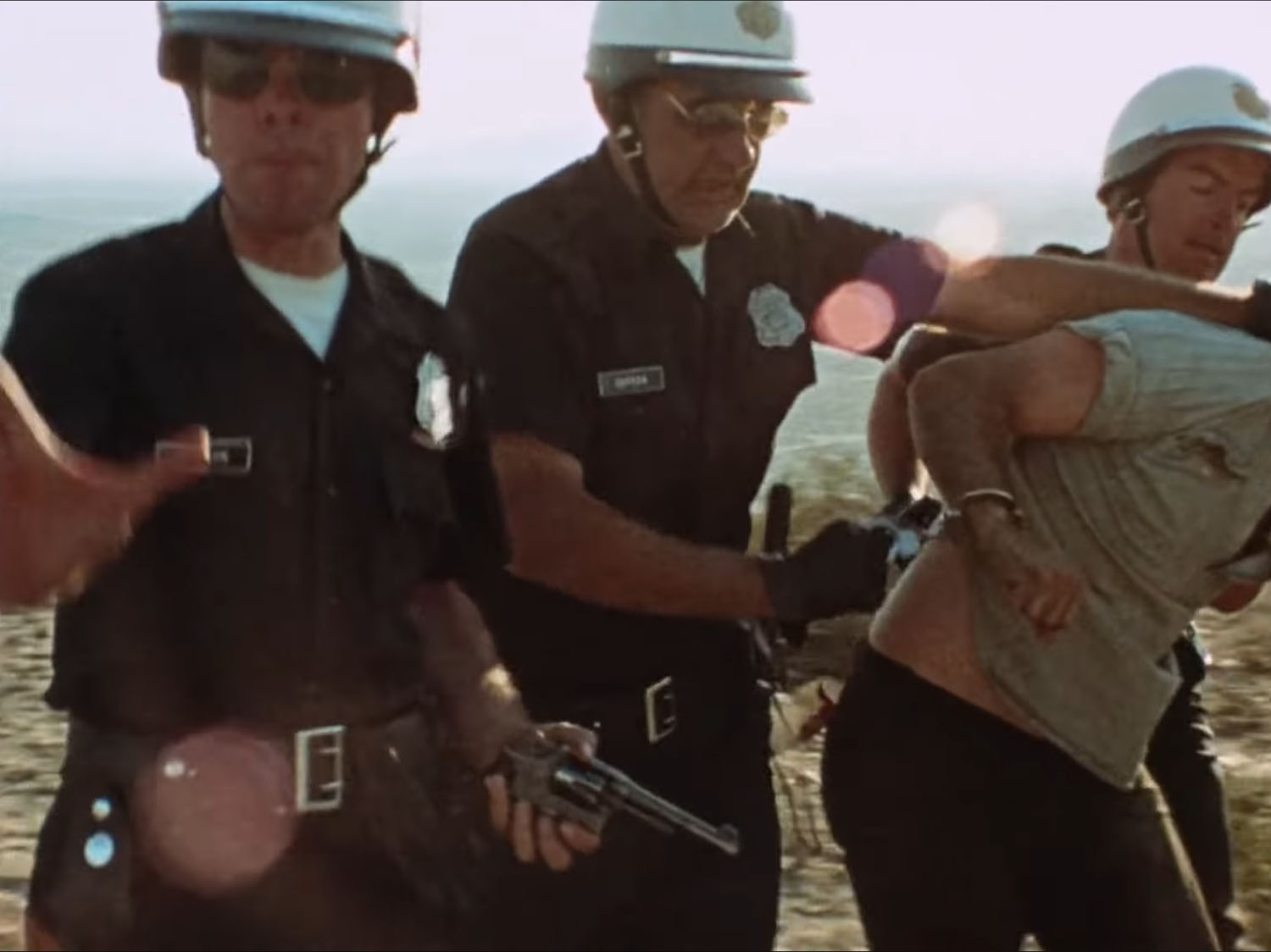
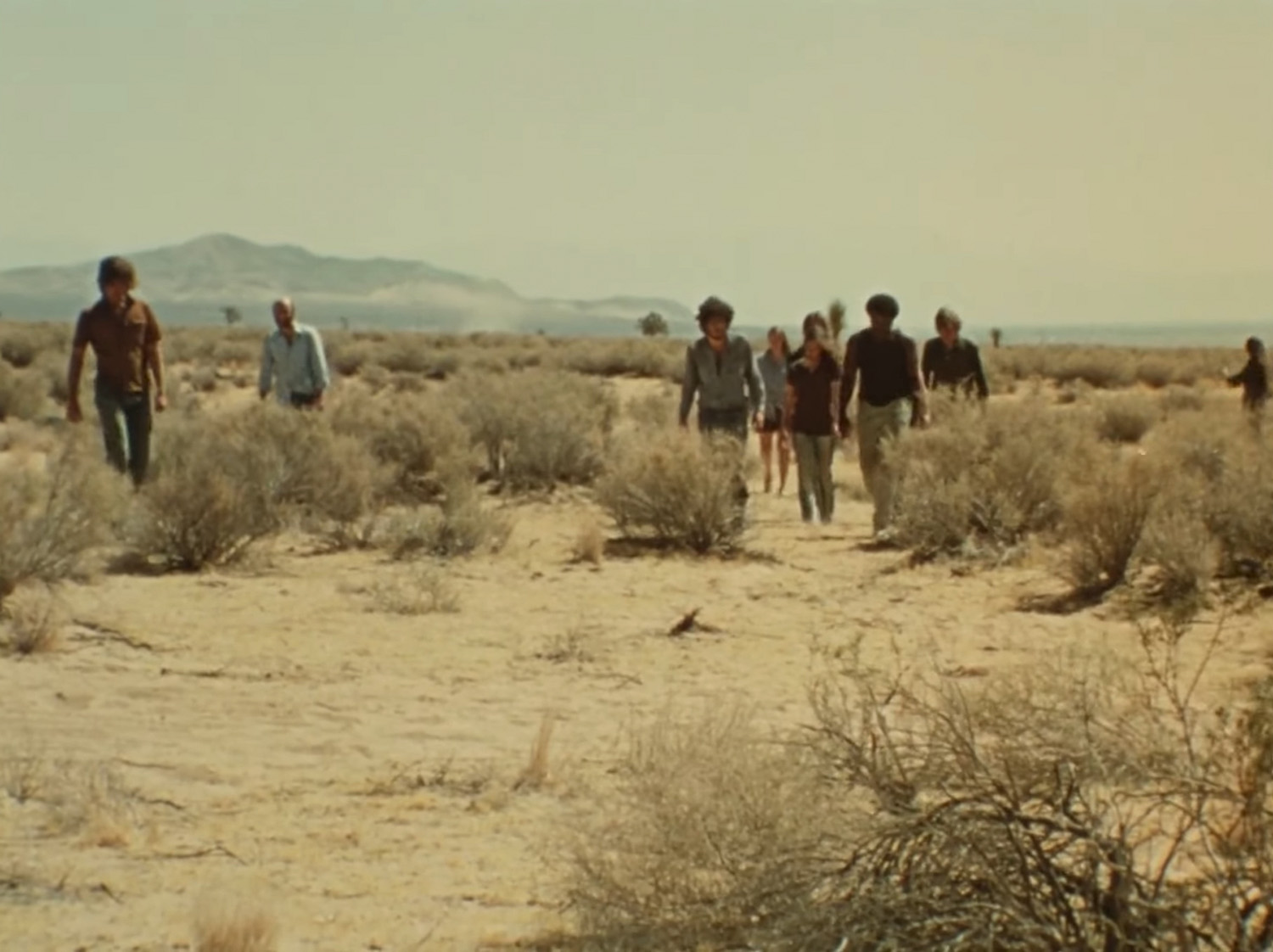
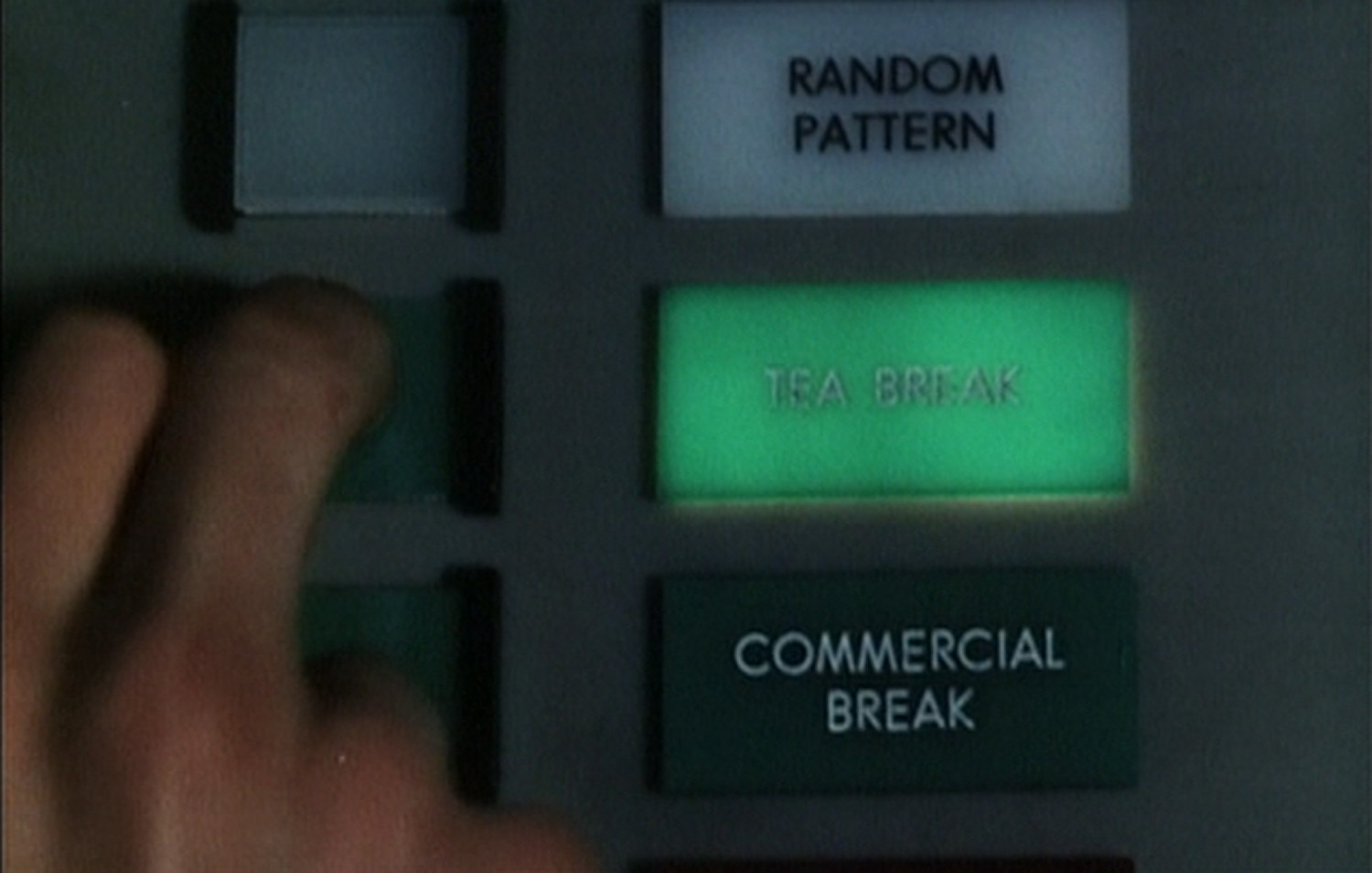
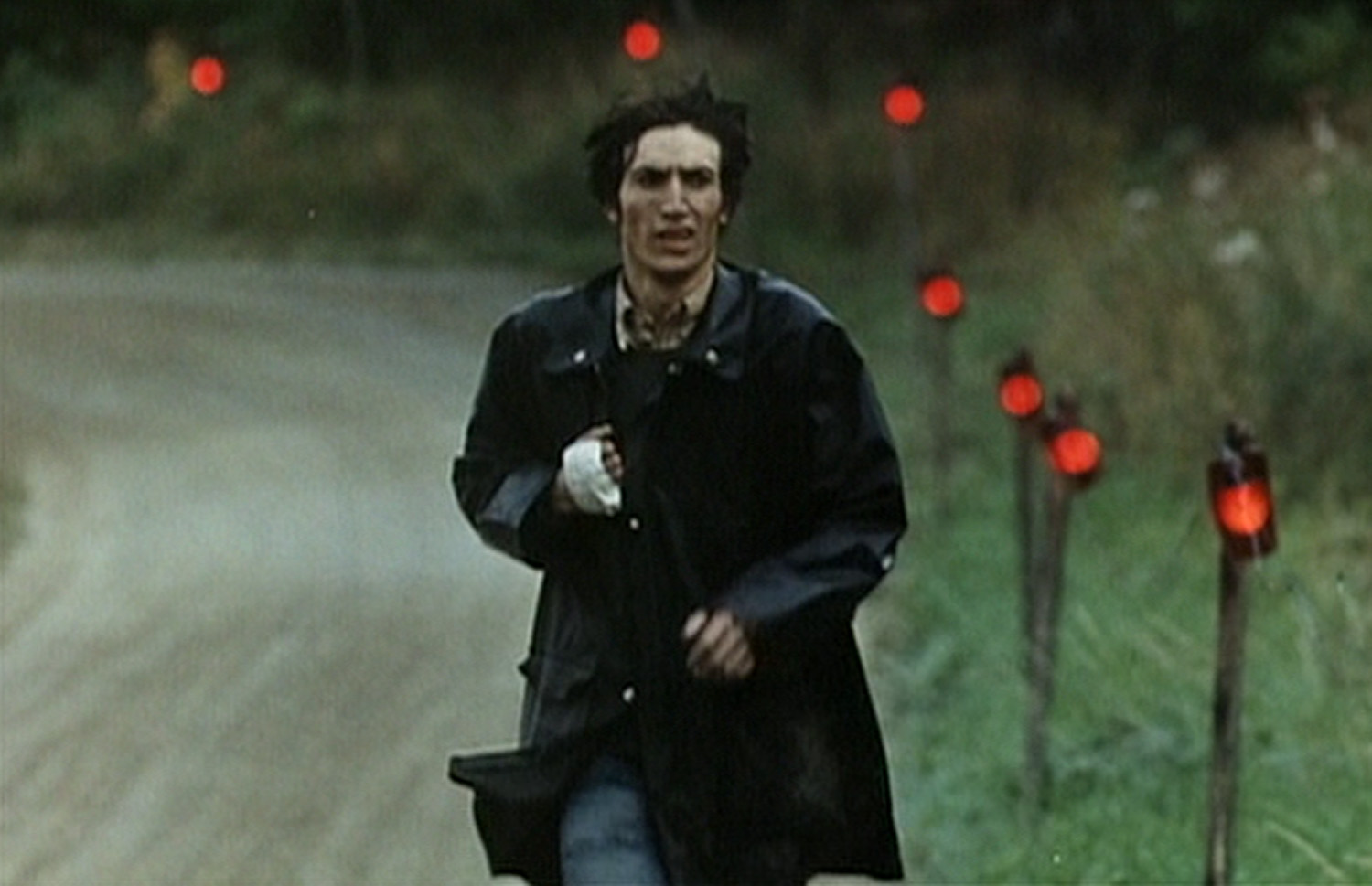
Under President Richard Nixon, the United States is in the midst of protests against the Vietnam War. Under a new law, the US government offers those it has arrested, members of the Communist Party, civil rights activists, anti-war protesters, and representatives of the opposition, a choice: rot in a federal prison or complete an 80-kilometer desert course while being pursued by security forces to reach the US flag. Those who choose to go to the punishment park find themselves in a manhunt where reaching the flag is nearly impossible and they cannot escape the violence of the security forces.
Screened at the Cannes and New York Film Festivals but not released in the US for many years, Punishment Park, with its documentary format that maximizes the sense of reality, is not only one of the harshest political critiques ever made about the US, but also one of the most uncompromising films ever made about state violence. A scenario that has moved from dystopia to reality since 1970, Punishment Park is a film that confirms Watkins's suspicions about governments and the state apparatus.
Further info on Punishment Park (1970) on Peter Watkins's personal website.
Privilege (1966)
| Director | Peter Watkins |
| Screenplay | Norman Bogner, Peter Watkins, John Speight |
| Cast | Paul Jones, Jean Shrimpton, Mark London |
| Production | UK / 1966 / 103 min. / Color / English / Turkish Subtitles |
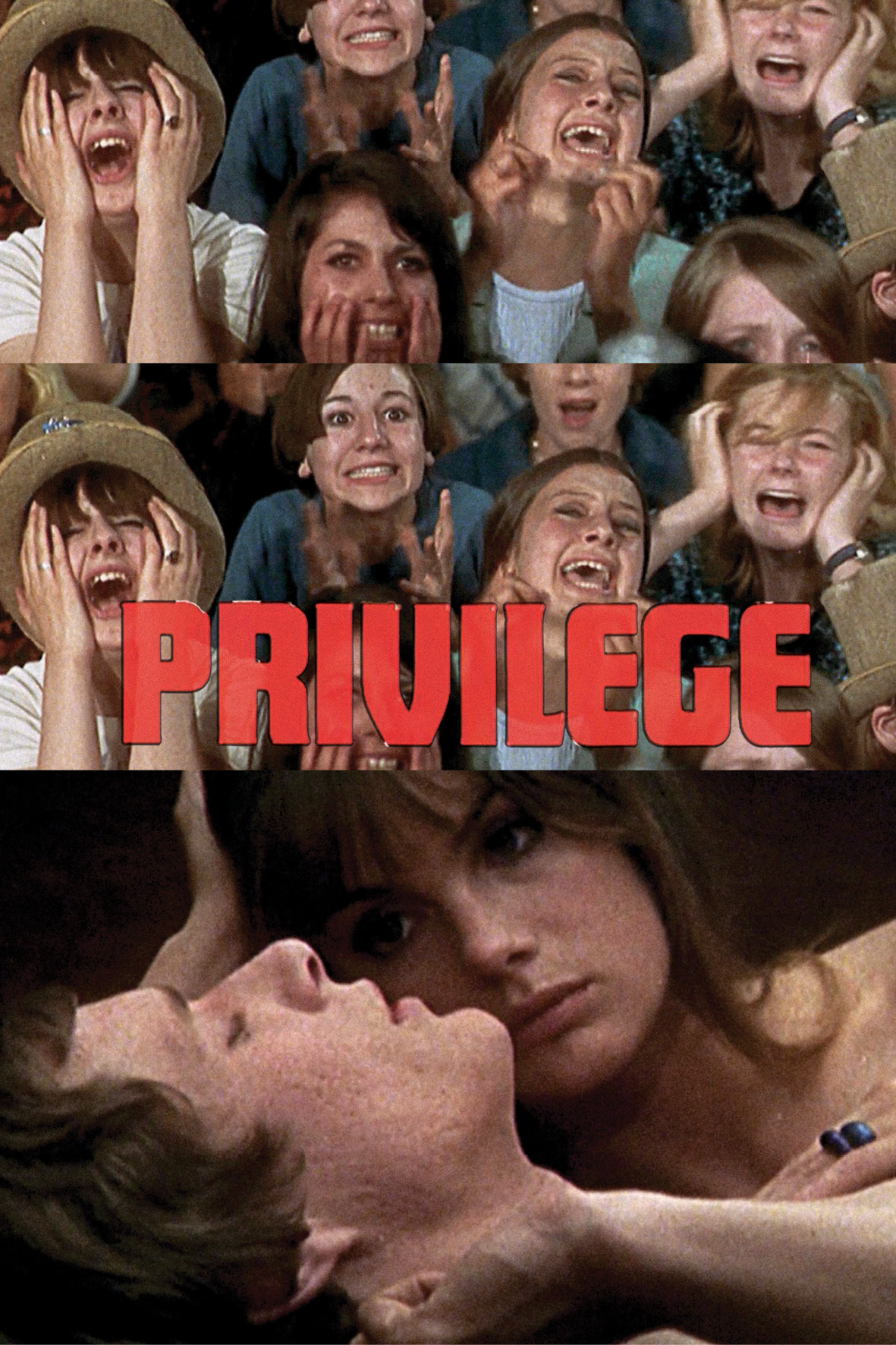
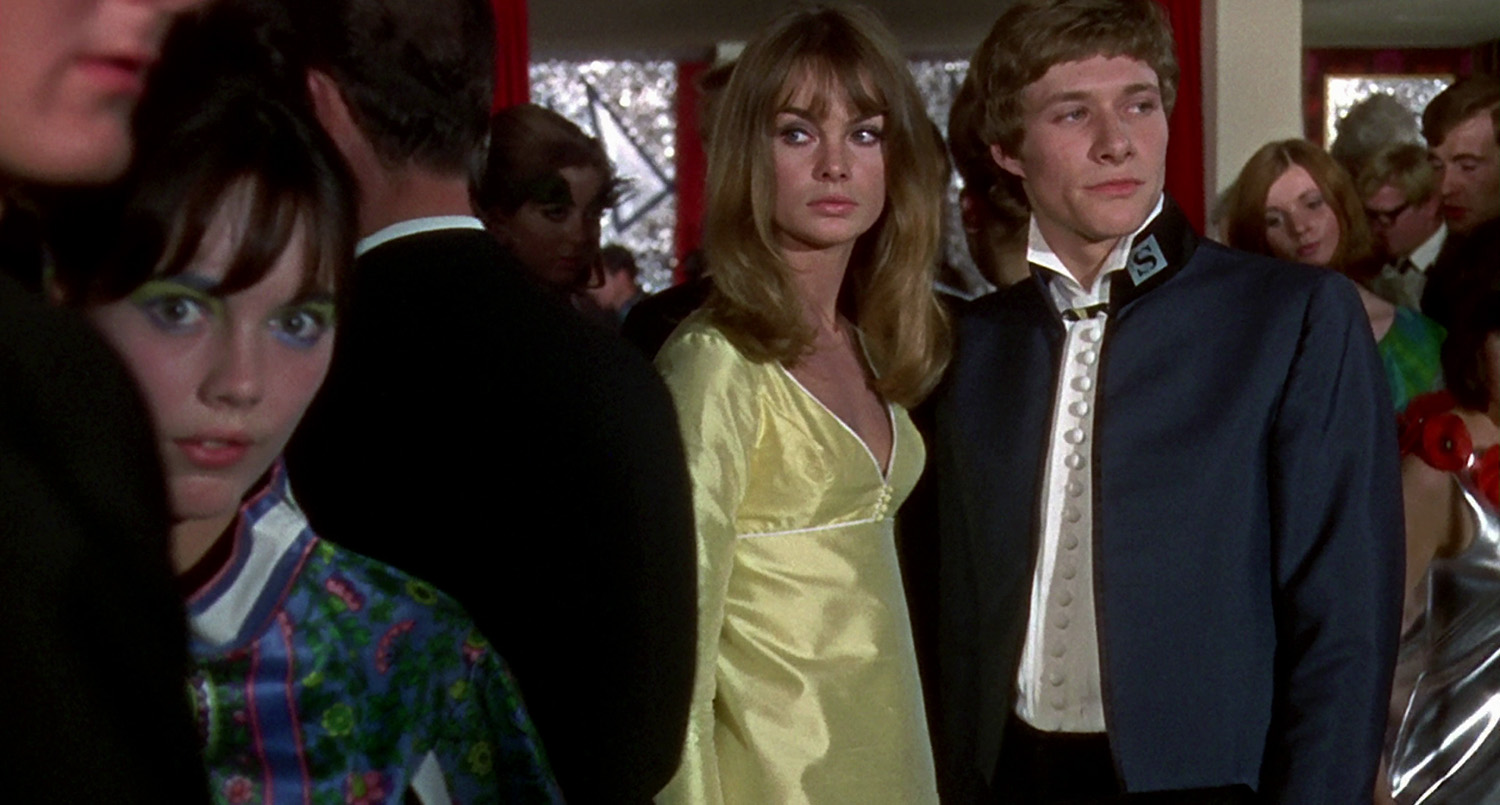
Steven Shorter, the main character of Privilege, one of the inspirations for Stanley Kubrick's A Clockwork Orange, is a pop star with thousands of adoring fans. In his private life, this young man is unhappy, indifferent, and never smiles. From his clothing to his stage shows, he is a pawn of a totalitarian government. Shorter is used as a controlled outlet for the rebellion of youth. As a result of political developments in the country, Shorter must transform from a voice of rebellion into a voice of harmony and obedience under the leadership of the church.
Watkins's only studio film, Privilege, starring musician Paul Jones and supermodel Jean Shrimpton, is a satire based on the idea of war and anti-establishment movements being tamed through popular culture.
During the filming of Privilege, which includes scenes reminiscent of The Beatles's devoted fans, Watkins wrote a letter to John Lennon reminding him of his "responsibility to use his power for world peace." The letter, which in Yoko Ono's words "caused a confrontation", became the inspiration for the Bed-in peace protest.
Further info on Privilege (1966) on Peter Watkins's personal website.
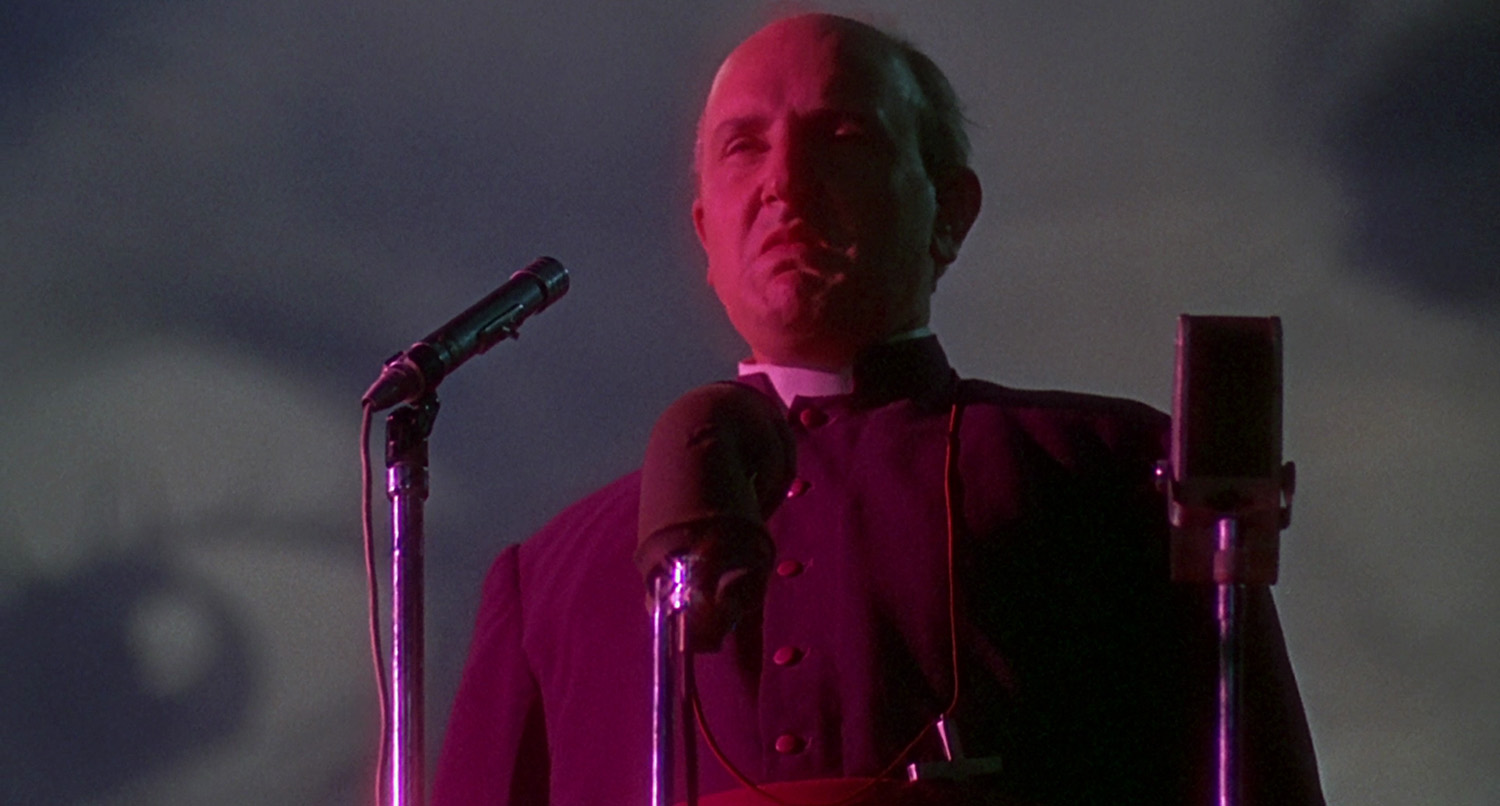
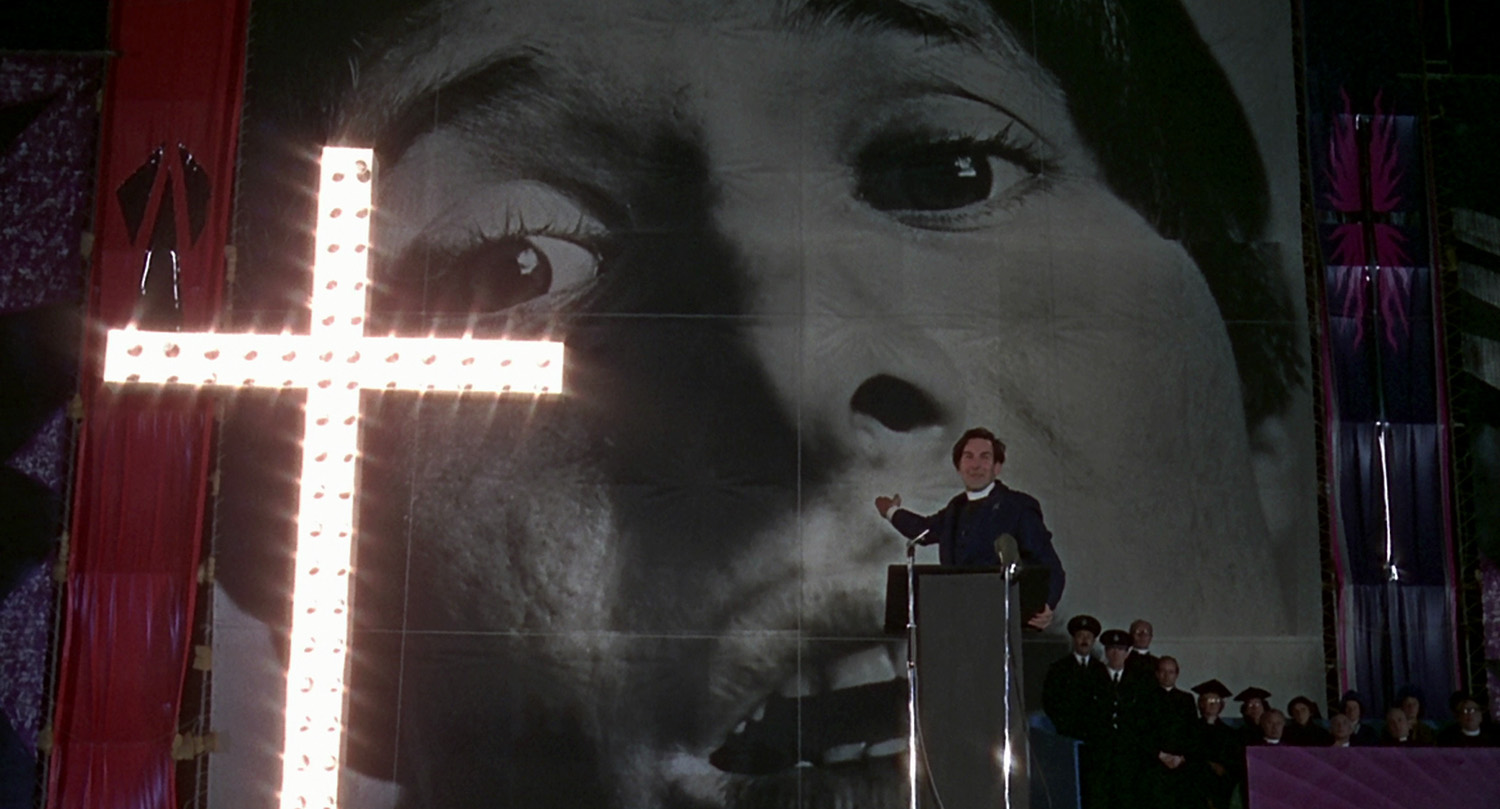
Edvard Munch (1973)
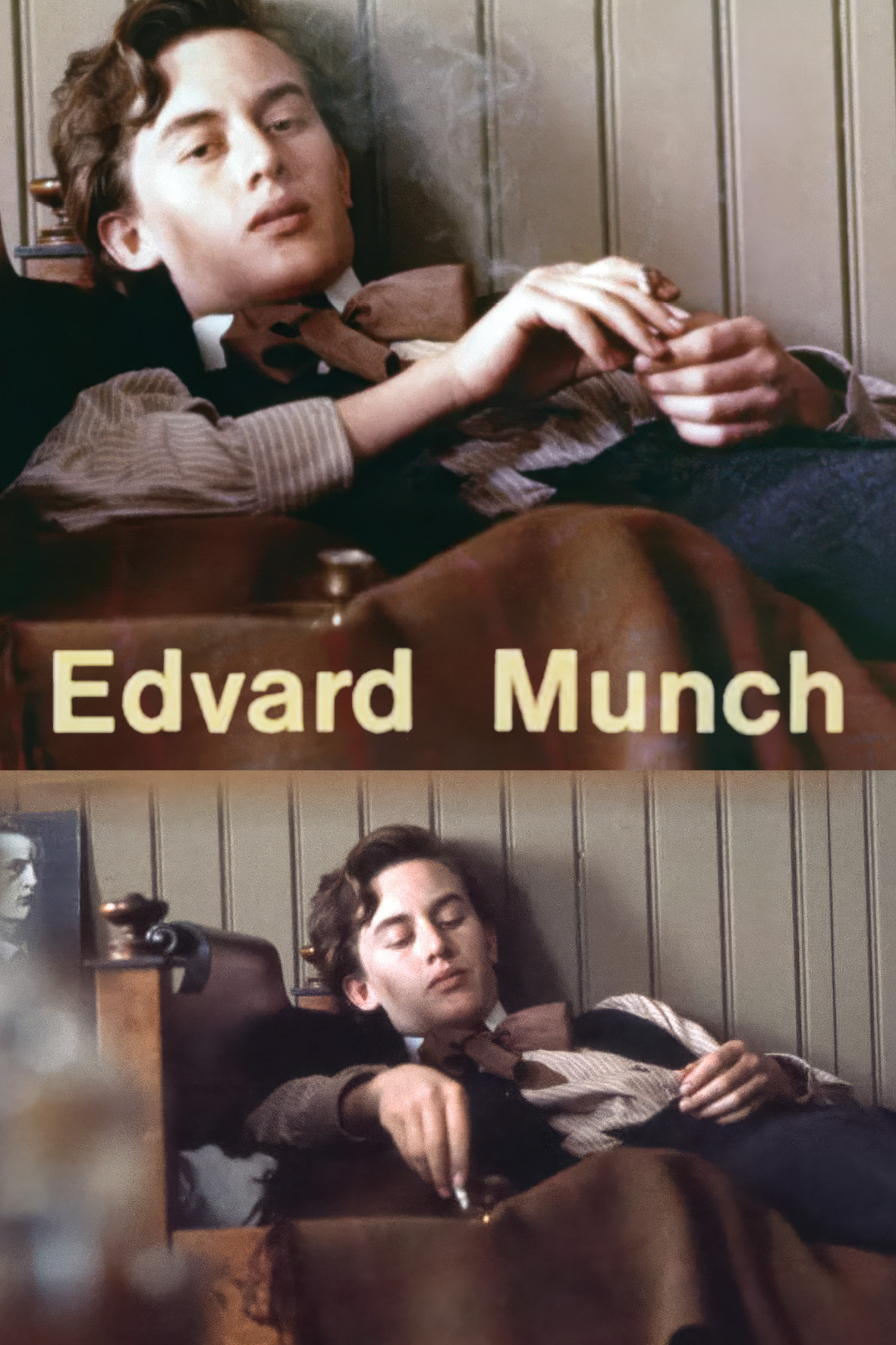
| Director | Peter Watkins |
| Screenplay | Peter Watkins |
| Cast | Geir Westby, Gro Fraas, Kerstii Allum |
| Production | Sweden, Norway / 1973 / 174 min. / Color / English, Norwegian / Turkish Subtitles |
Described by Peter Watkins as "my most personal film" and focusing on the 10 years of the famous artist's life, Edvard Munch is one of the most creative biographical films ever made. During a screening of The War Game in 1968, Watkins visited Oslo and felt a deep affinity for Munch's work. He brings Munch's life, which was misunderstood and harshly criticized during his time but ultimately led to groundbreaking work, to the screen in a multi-layered and surprising way.
With its extraordinary narrative structure, Edvard Munch is not limited to the personal. It simultaneously examines Munch's private life, the wages of child laborers in Norway, the pressures women faced within the institution of marriage, the debates sparked by Marxist thought in Norway, and China's diplomatic crises. History, politics, and social events are accompanied by voiceovers or interviews. Watkins treats Munch as part of the flow of non-linear history, influenced by political and social forces, within the entirety and diversity of the world.
Further info on Edvard Munch (1973) on Peter Watkins's personal website.
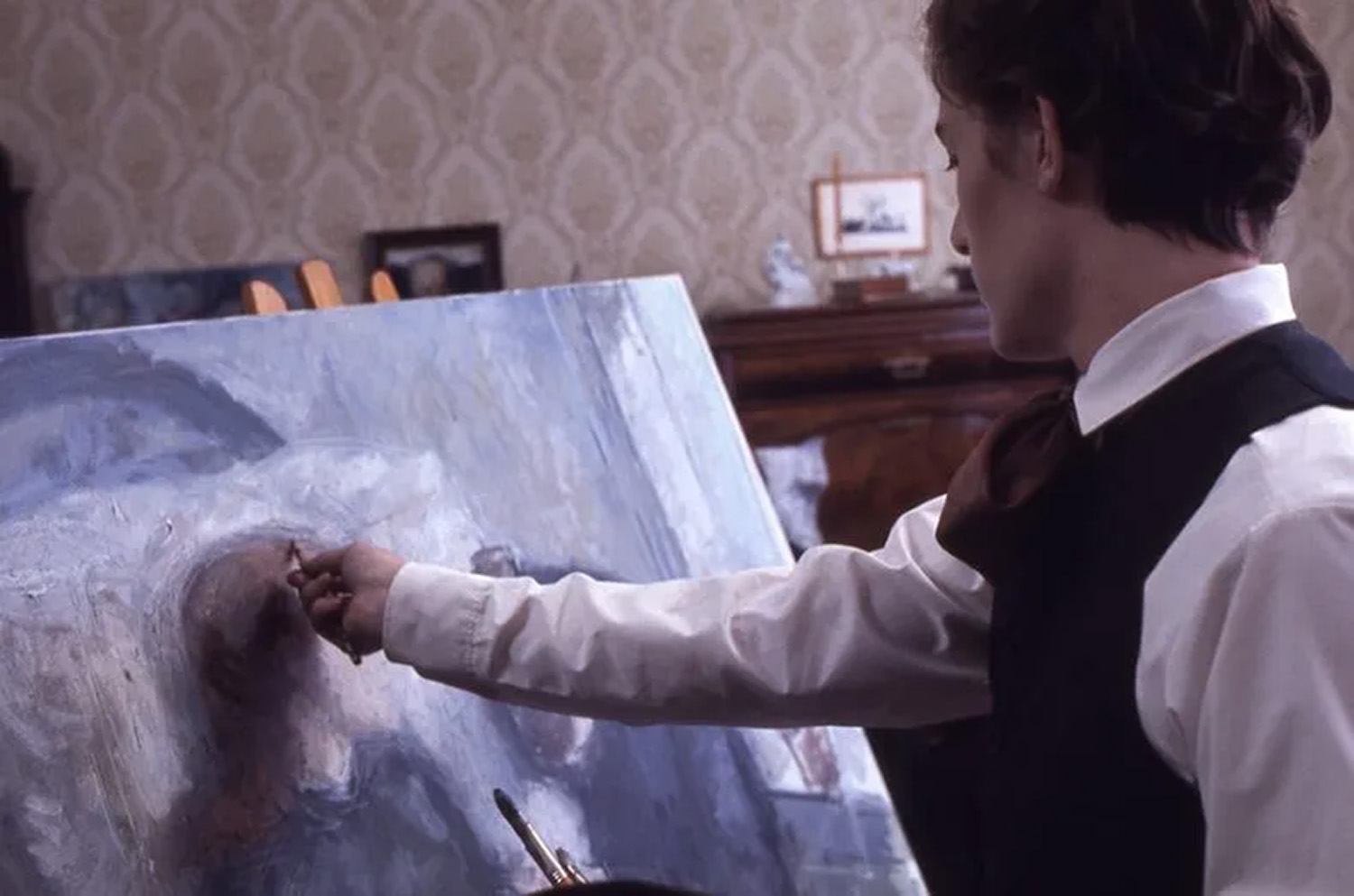
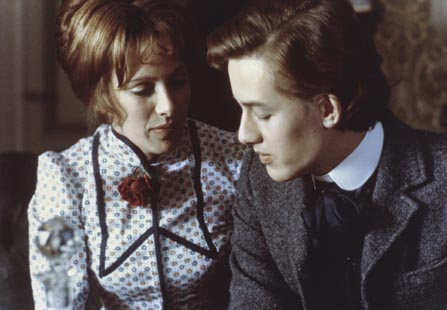
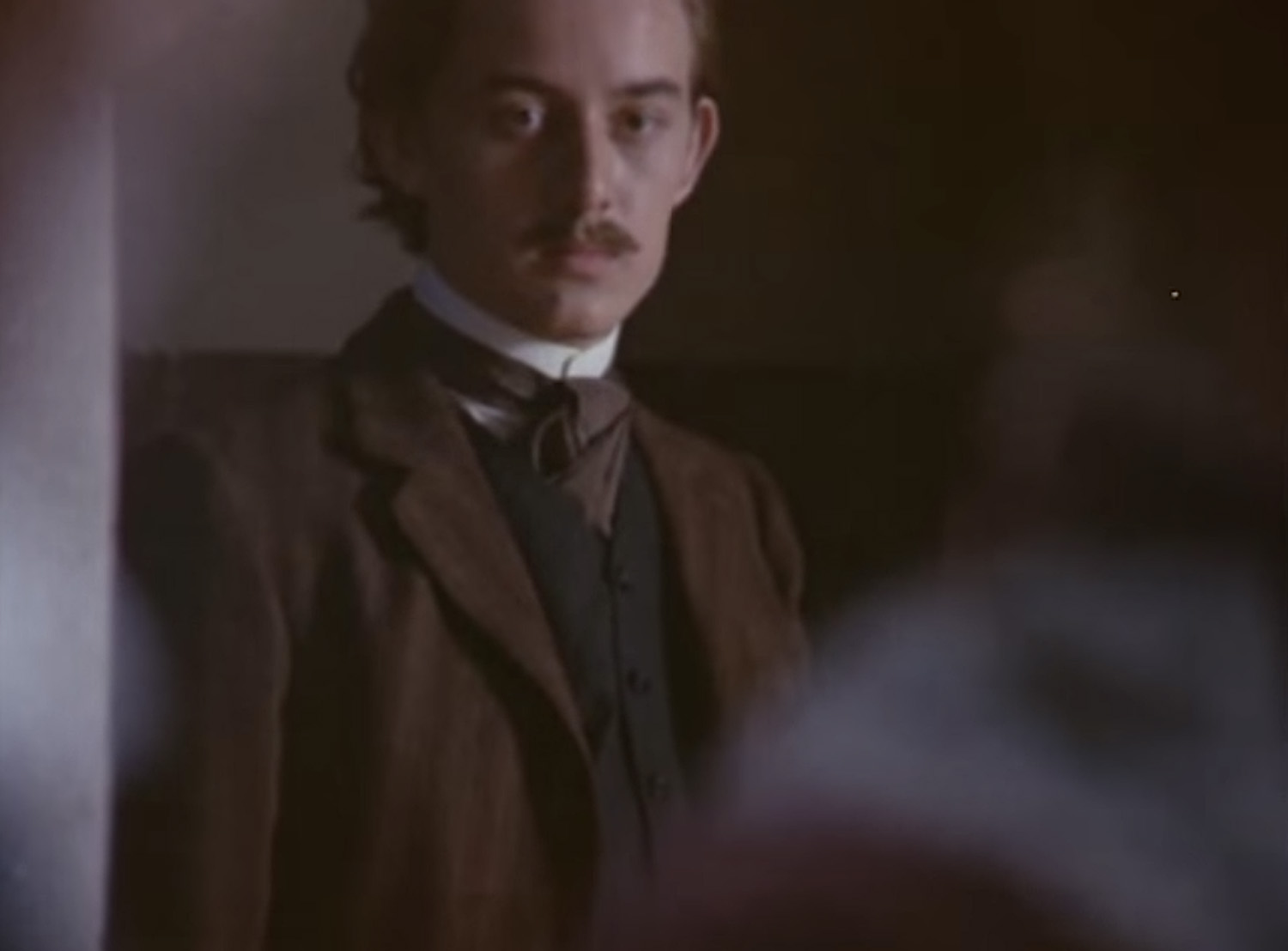
The War Game (1965)
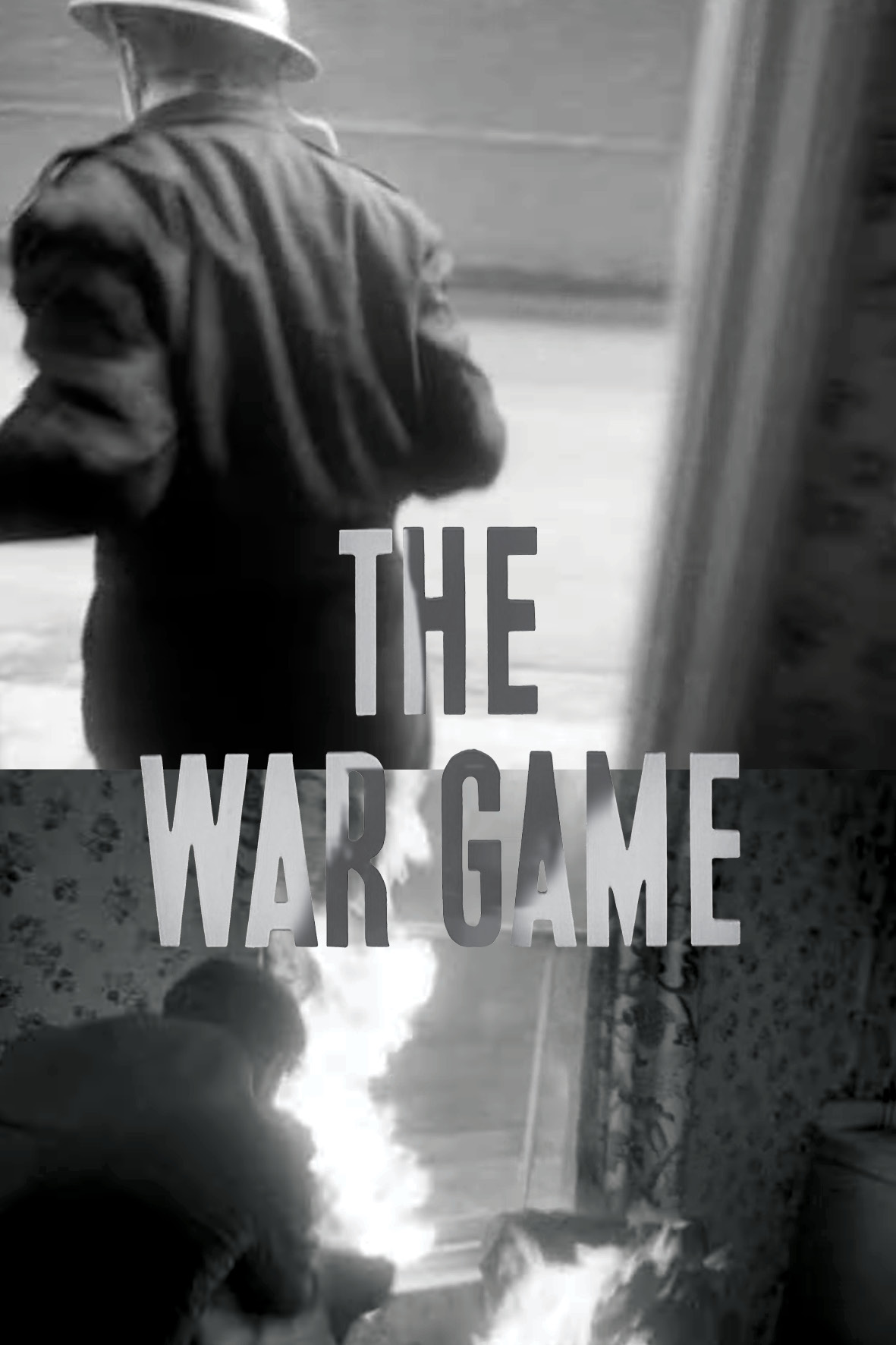
| Director | Peter Watkins |
| Screenplay | Peter Watkins |
| Cast | Dick Graham, Michael Aspel |
| Production | UK / 1965 / 46 min. / Black and White / English / Turkish Subtitles |
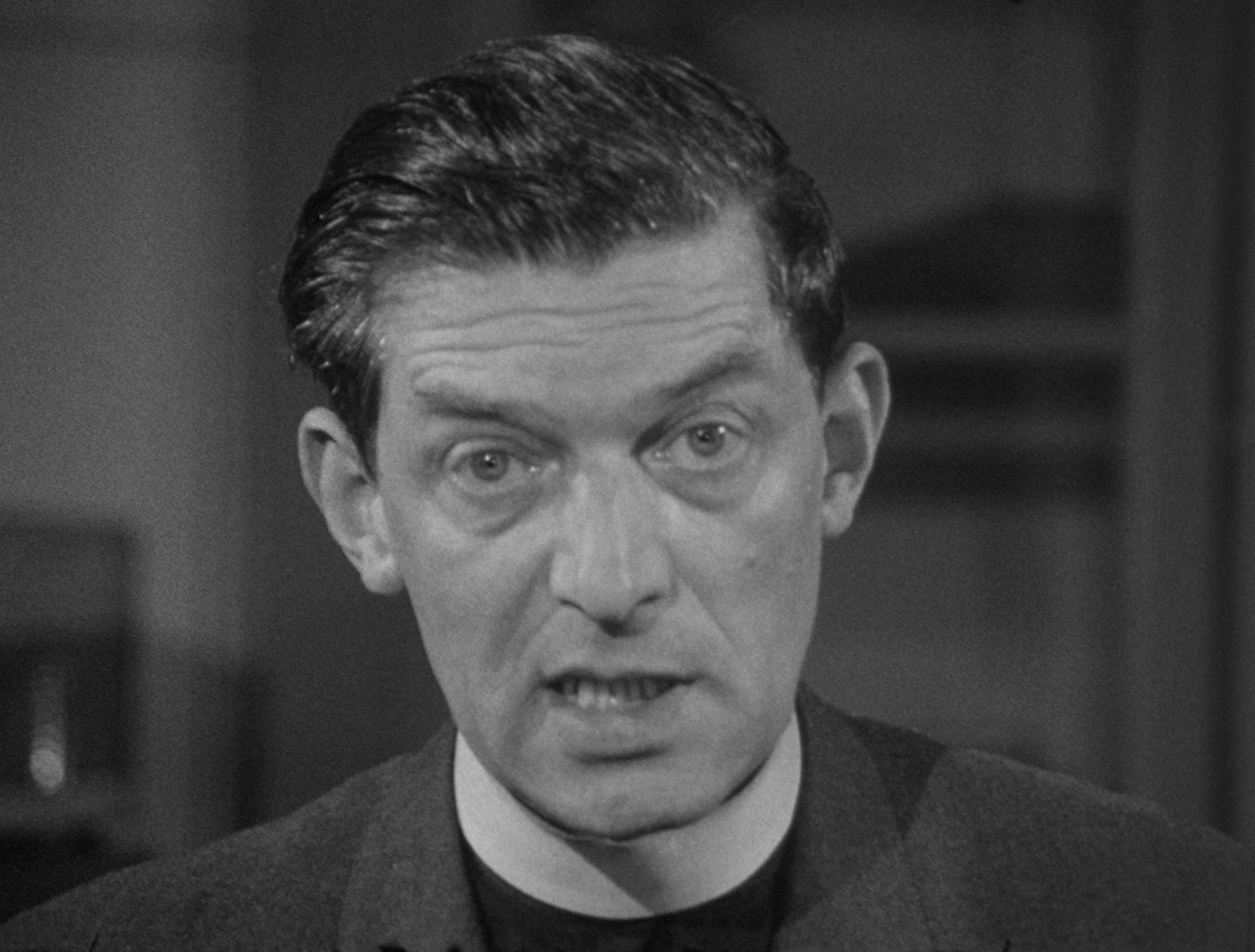
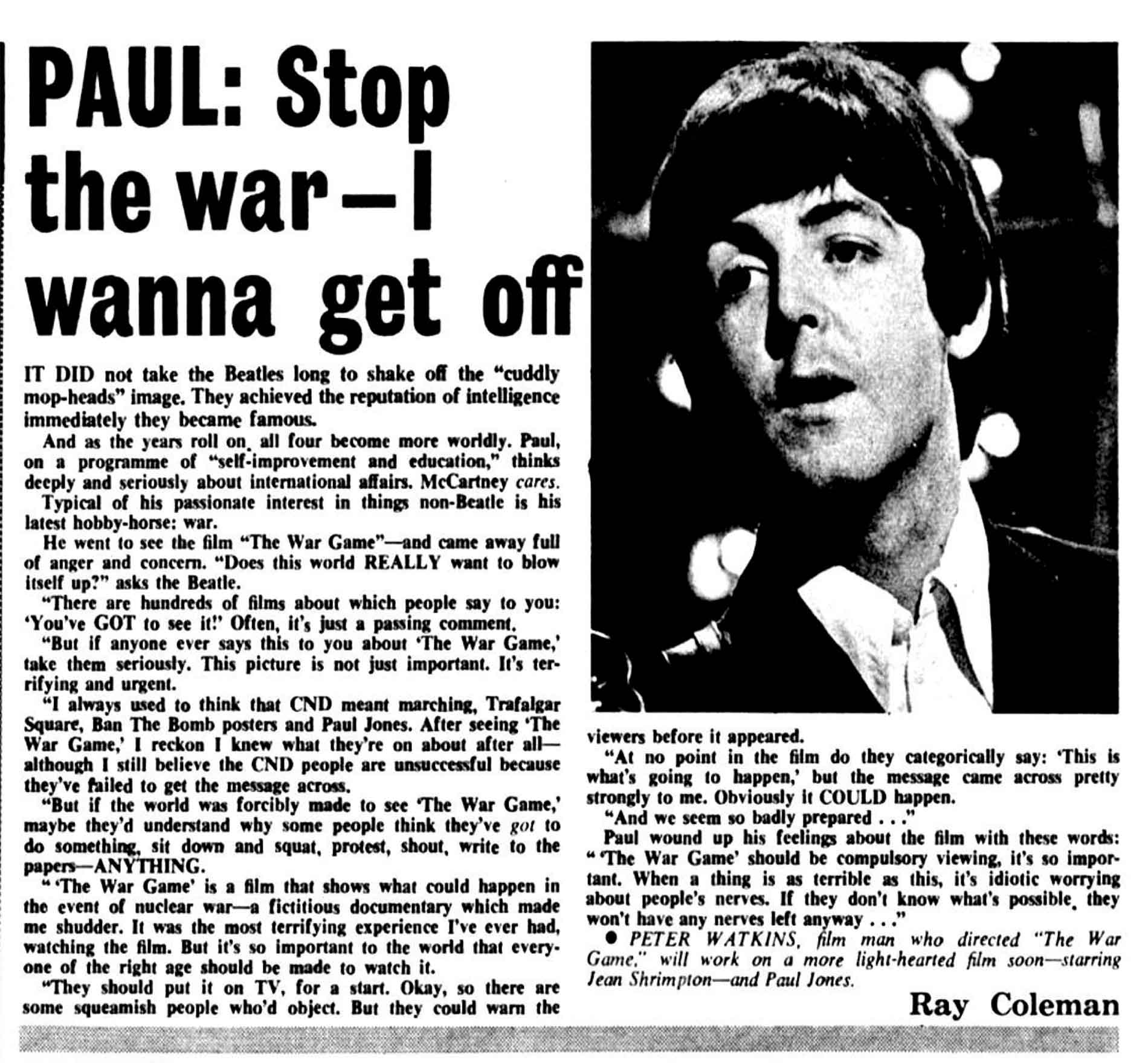
It is 1965, and we are in the midst of the Cold War. The Soviet Union drops an atomic bomb on England. The streets are burning, survivors are in a state of panic. Peter Watkins's banned film The War Game brings such a scenario to the screen with the realism of a news documentary. Commissioned by the BBC but deemed too terrifying for broadcast despite being based on accurate information about the effects of atomic bombs, the film won the Oscar for Best Documentary in 1967. The BBC censorship Watkins experienced with this film also marked the beginning of years spent in semi-exile, during which his working conditions became increasingly difficult.
The War Game depicts politicians, clergy, and misinformed citizens making pro-nuclear statements, the escalating tension leading to an atomic bomb being dropped on Kent, and the unimaginable destruction that follows. Watkins made it his mission to accurately inform the public about nuclear armament, and when he based his film on events in Japan, the result was a horror film.
Famous theater critic Kenneth Tynan said about the film: "I suspect that it may be the most important film ever made. We are always being told that works of art cannot change the course of history. Given wide enough dissemination, I believe that this one might…."
Further info on The War Game (1965) on Peter Watkins's personal website.
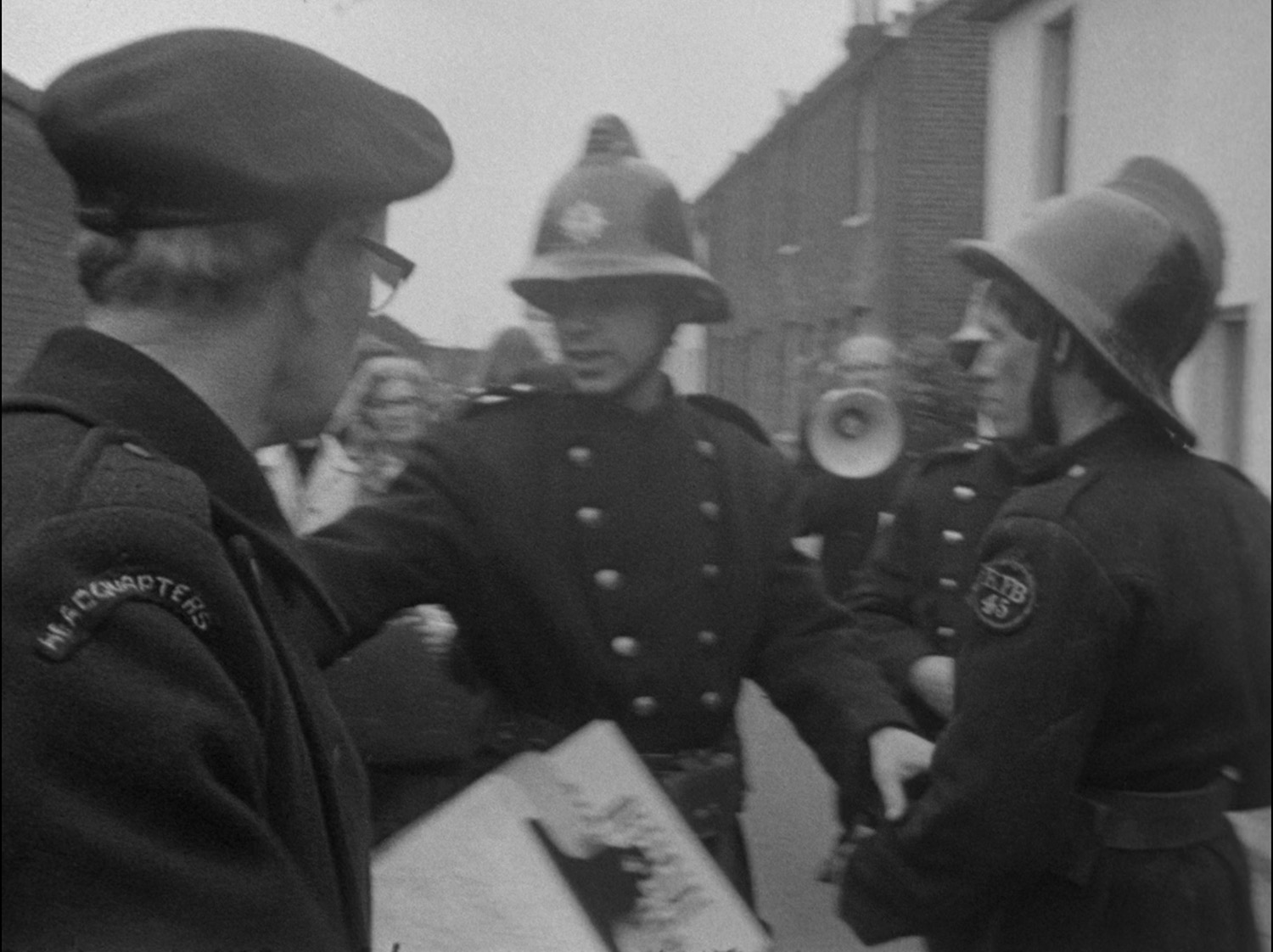
Culloden (1964)
| Director | Peter Watkins |
| Screenplay | Peter Watkins |
| Cast | Alan Pope, George McBean |
| Production | UK / 1964 / 69 min. / Black and White / English, Scottish Gaelic / Turkish Subtitles |
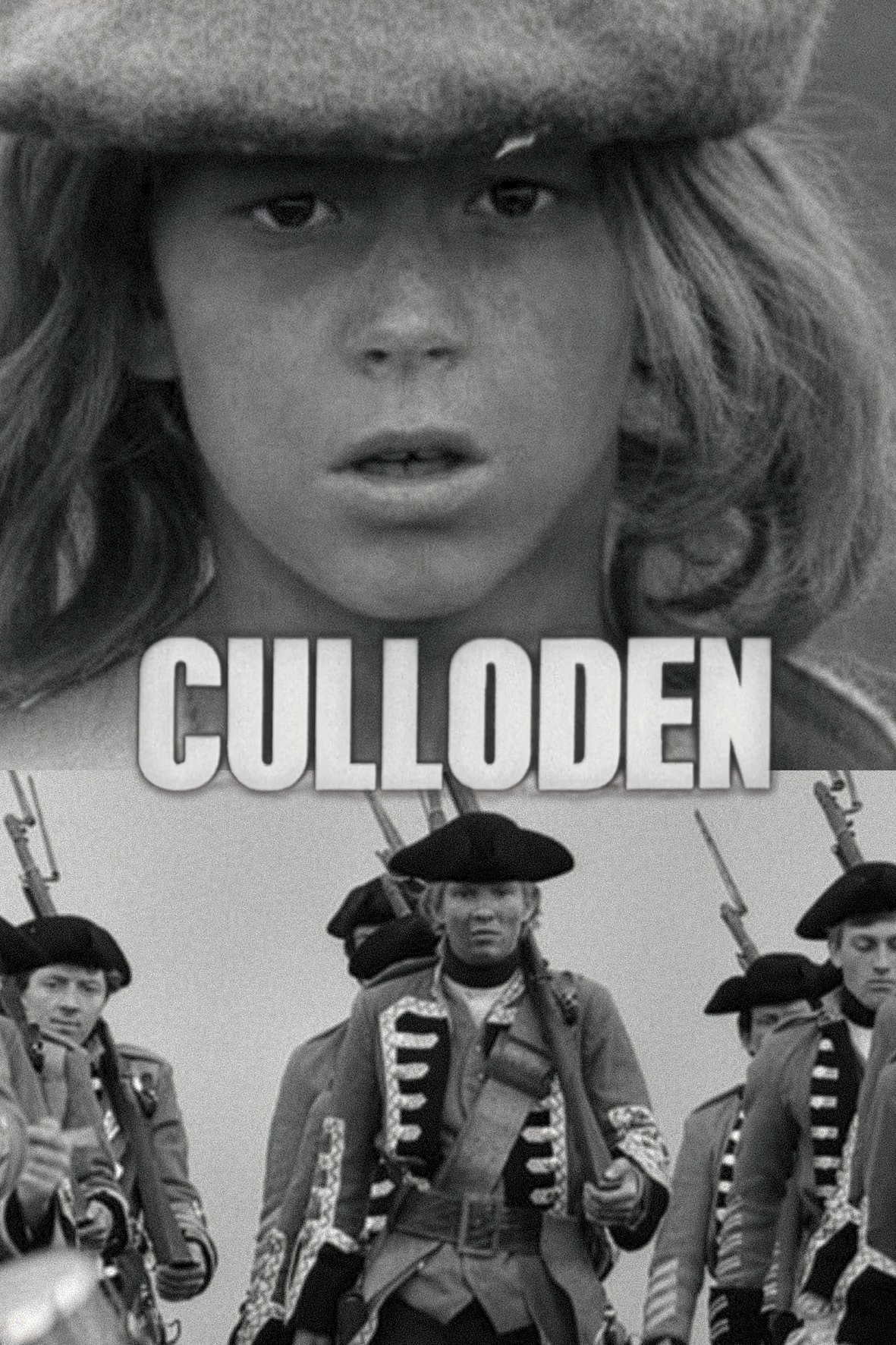
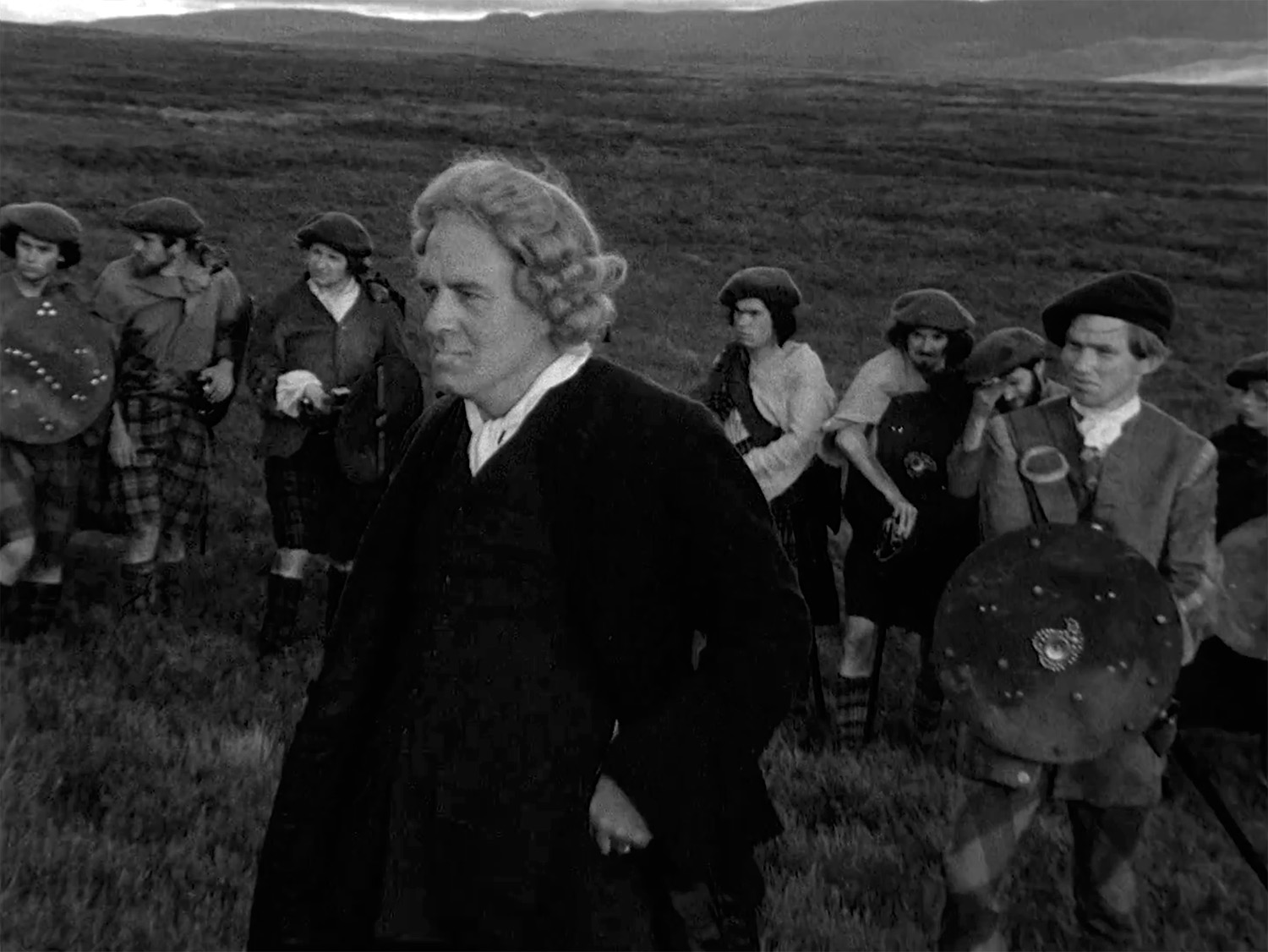
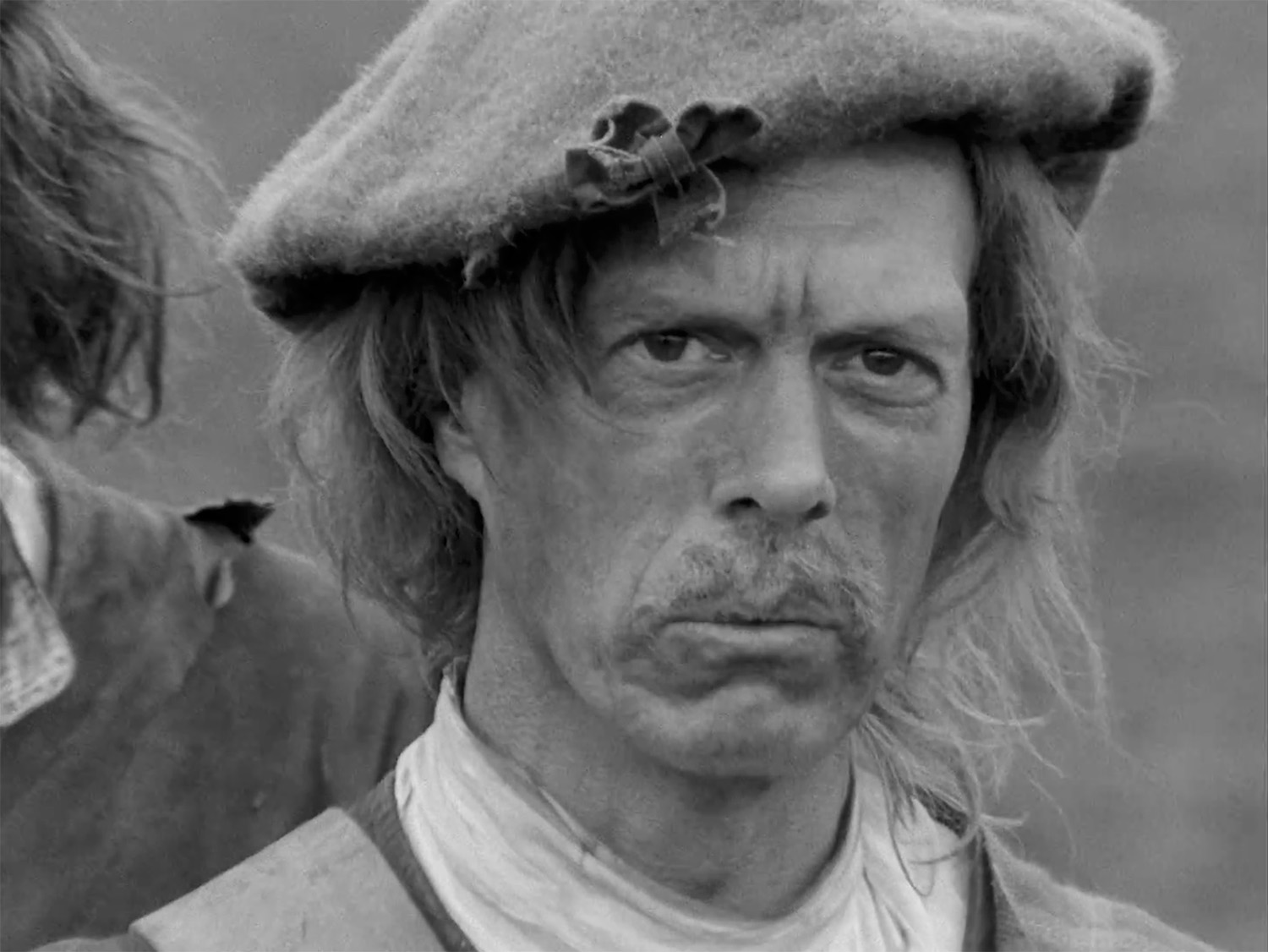
"They have created a desert and called it peace." In Culloden, Peter Watkins "reports live" from the final battle of the 1745 Jakobite uprising. The Jacobite army, composed of clans from Northern Scotland who defied the British government's forces in Prince Charles Edward Stuart's struggle for the throne, is slaughtered within hours. After this defeat, the British government turns Northern Scotland into a "desert" by massacring the people hiding in the mountains, sparing neither children, women, nor babies.
Commissioned by the BBC, Watkins's Culloden recounts the 1745 massacre through a live war broadcast narrative. Fishermen, farmers, and ordinary people in the clan armies are first left hungry and thirsty, then slaughtered by the British government's advanced weapons, while interviews with soldiers are accompanied by numerical data on the massacre. With its narrative style reminiscent of war reporting on television, Culloden brings a slice of history to both the present and the future, carrying the echoes of many wars from that day to the present, including Vietnam, its point of departure.
Further info on Culloden (1964) on Peter Watkins's personal website.
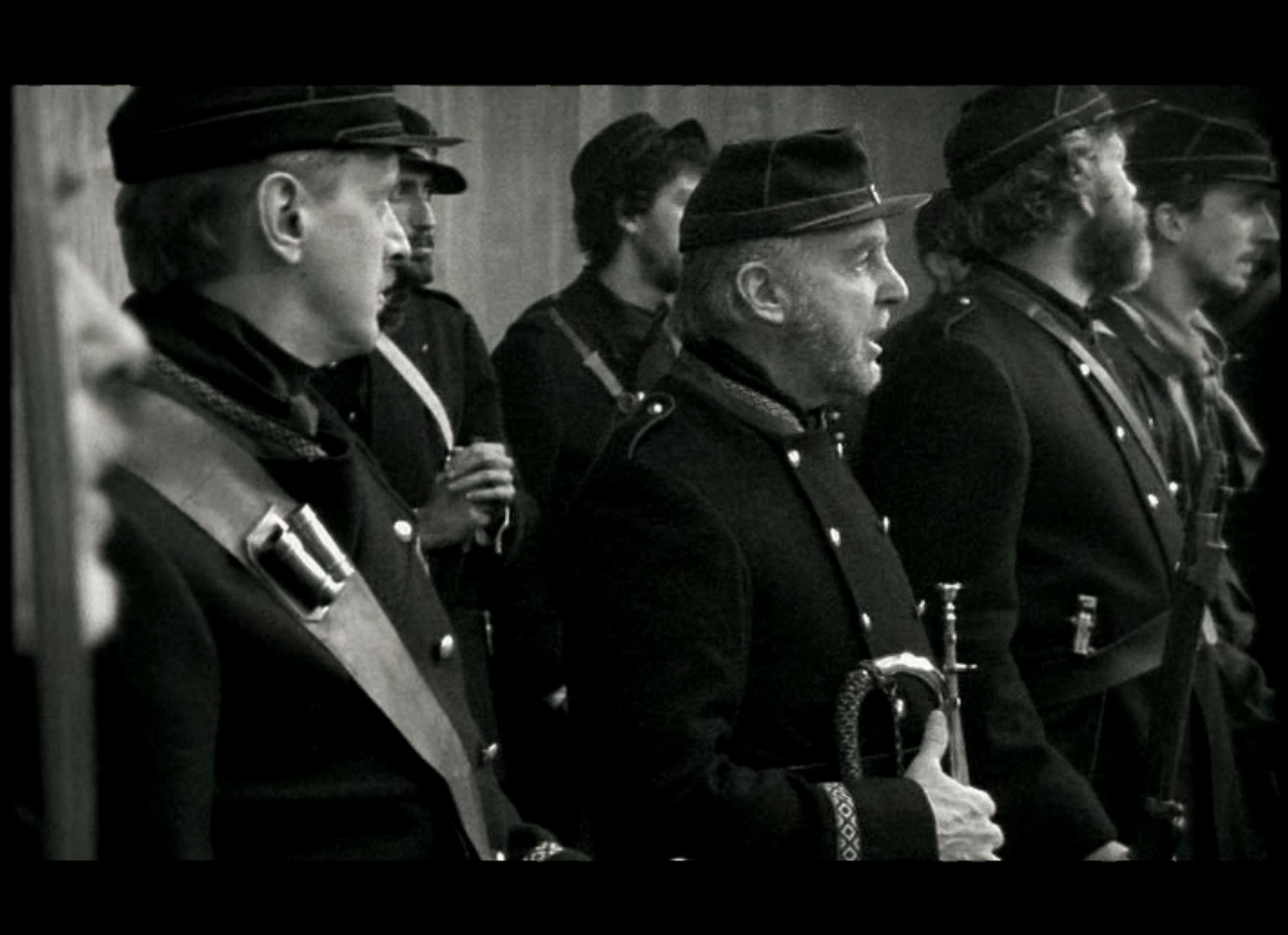
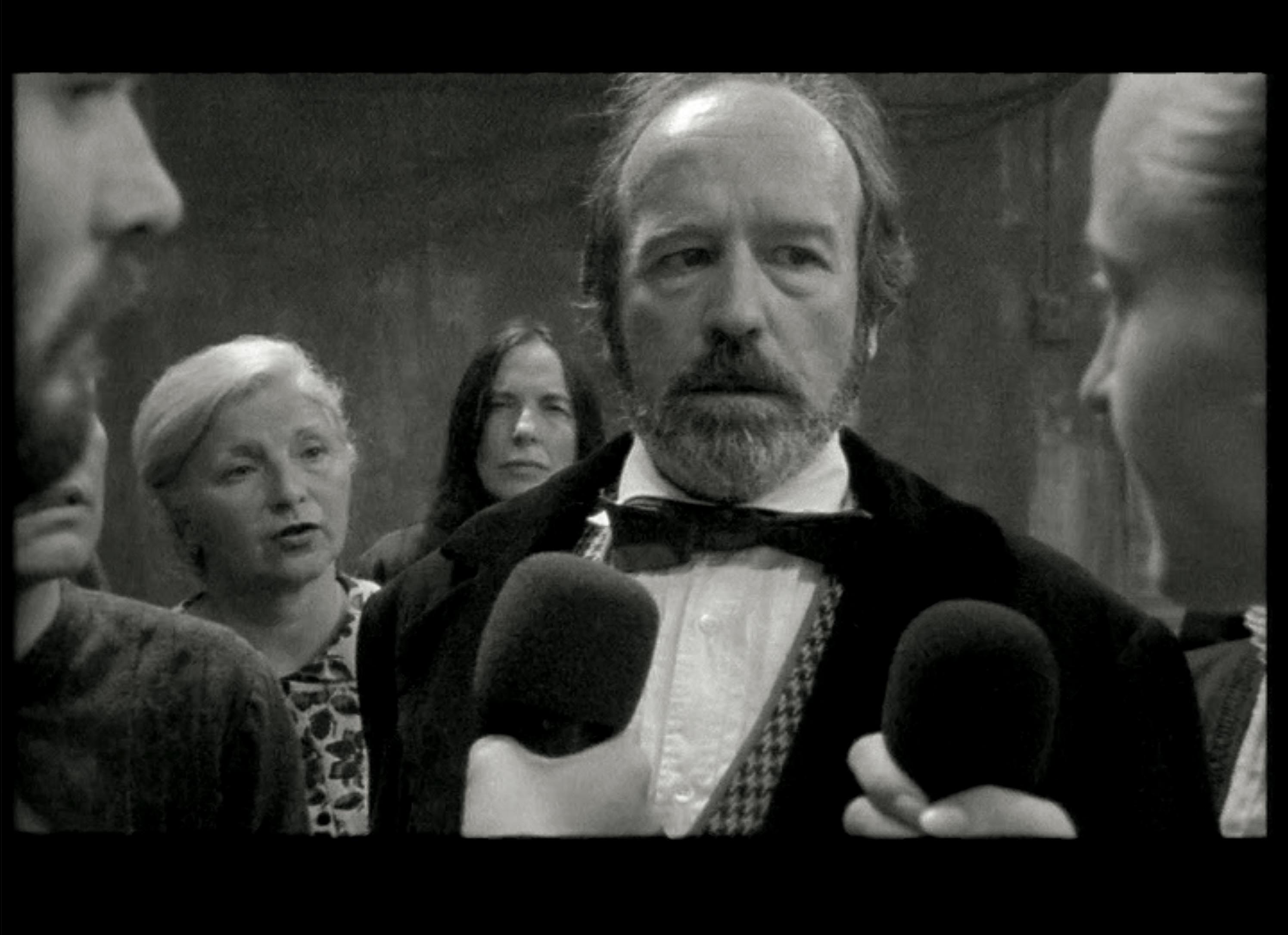
La Commune (Paris, 1871) (1999)
| Director | Peter Watkins |
| Screenplay | Agathe Bluysen, Peter Watkins |
| Cast | Véronique Couzon, Armelle Hounkanin, Marie-Josephe Barrere |
| Production | France / 1999 / 345 min. / Black and White / French / Turkish Subtitles |
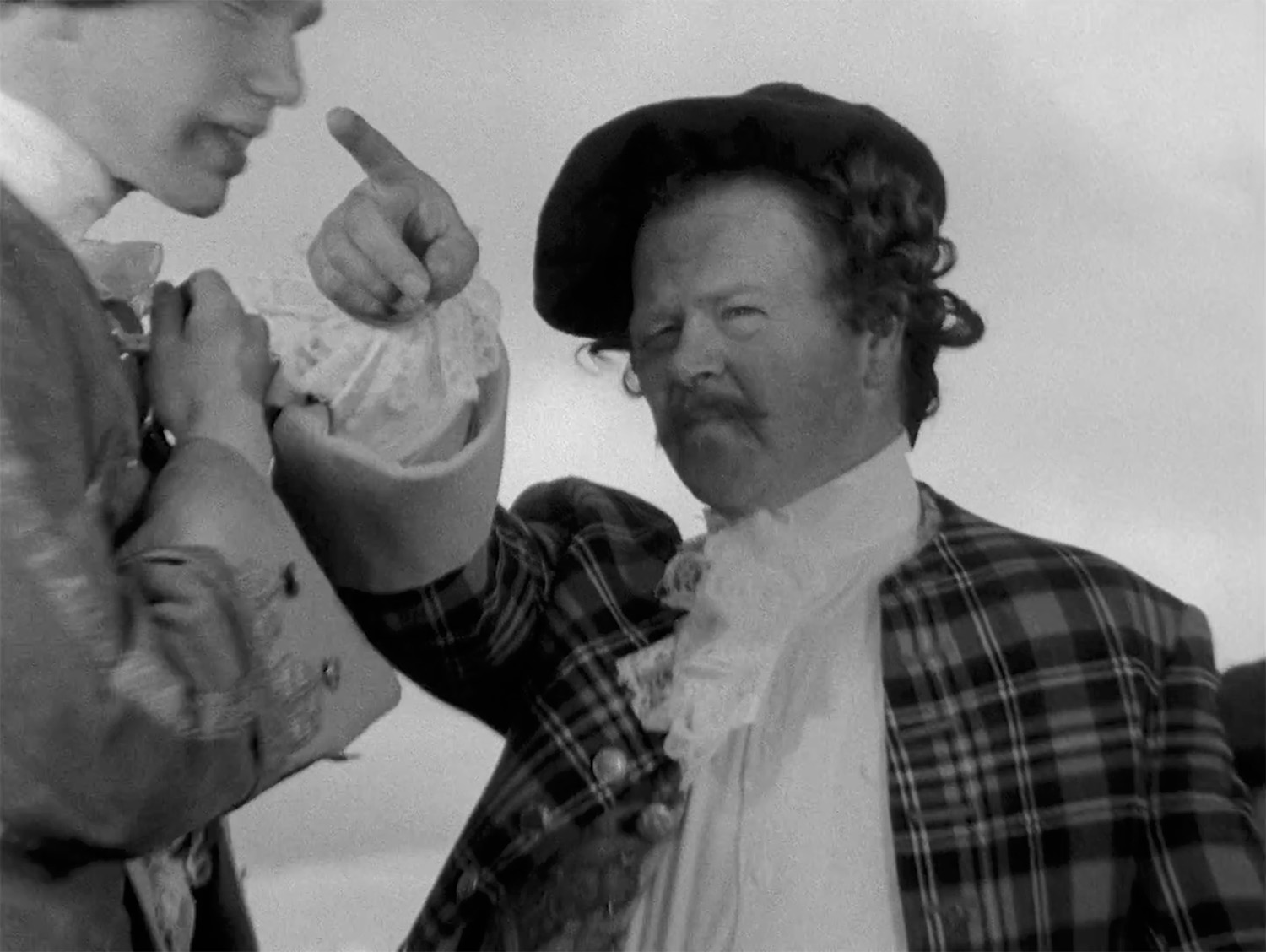
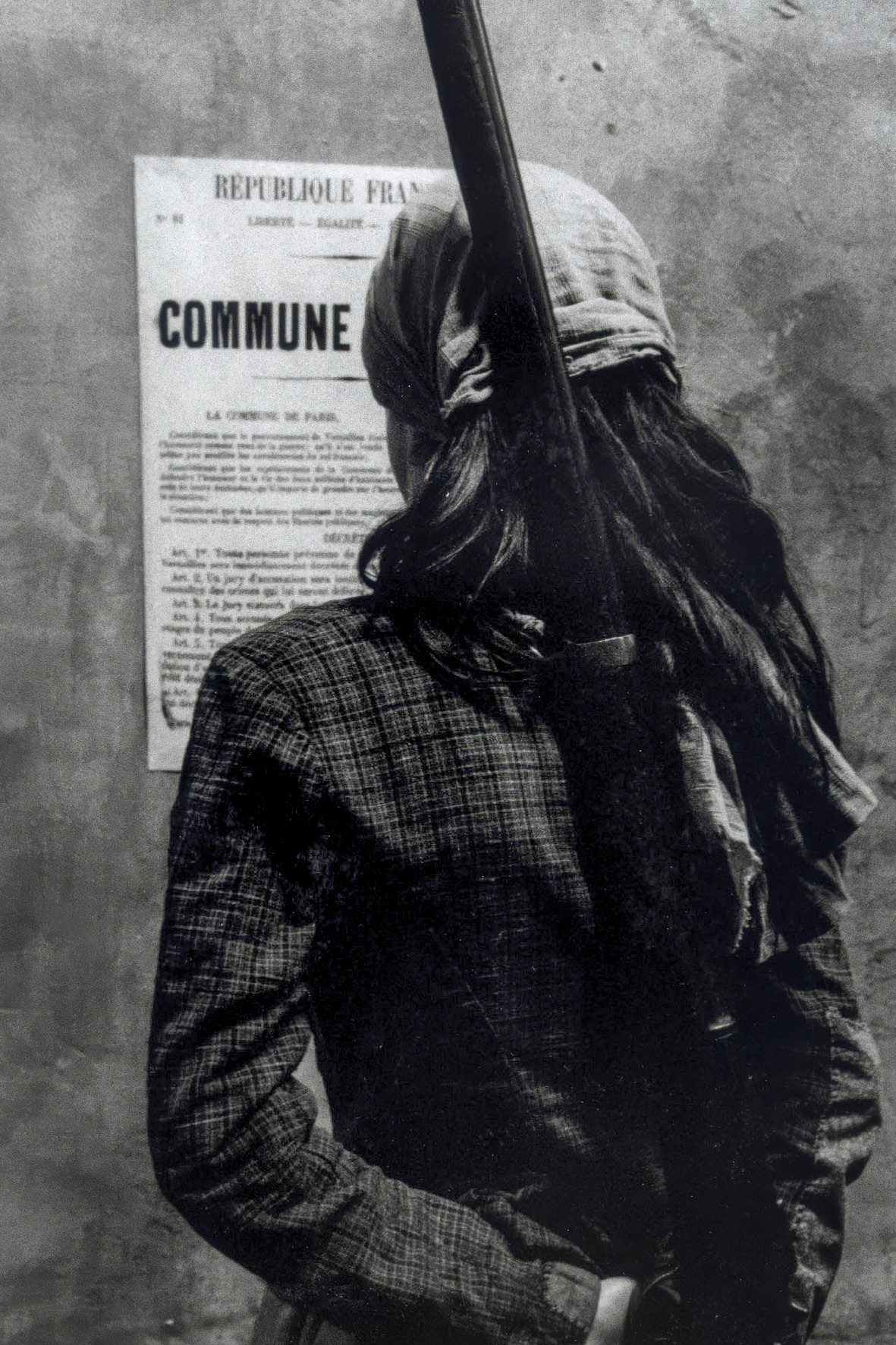
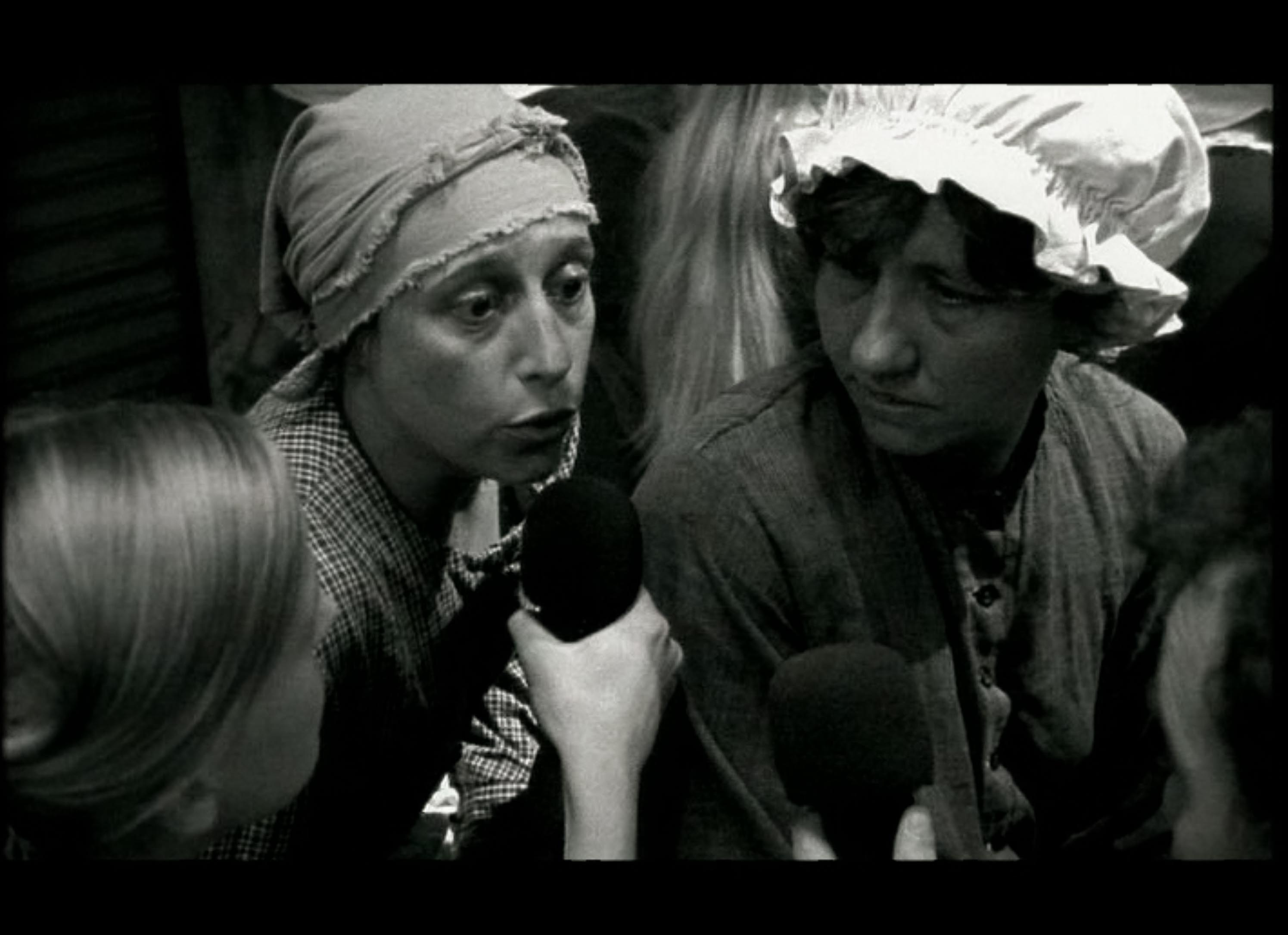
La Commune (Paris, 1871) is Peter Watkins's last film. It represents the culmination of both his years-long development of collective film production and his political interventions challenging the notion that history unfolds in a single time and place.
Watkins reflects the weeks of 1871 in Paris, when the people took control of the government and demands for gender, income, and class equality, as well as the dream of creating a just world, became concrete, by allowing amateur actors to conduct their own research in a factory just outside Paris. He conveys the events through both the press established by the people themselves and the state-aligned media, without reflecting the presence of the camera.
In 1871, Watkins finds traces of all the rebellions, demands for rights, and state massacres in history. Like every character in the film, the voice of a young female teacher who conveys the necessity of secular education to the camera is not confined to 1871 or Paris. Through the film's unusual production method, Watkins shatters the idea of the creative director who conveys his vision.
"Why this film at this time? We are now moving through a very bleak period in human history — where the conjunction of post-modernist cynicism, sheer greed engendered by the consumer society sweeping many people under its wing, human, economic and environmental catastrophe in the form of globalisation, massively increased suffering and exploitation of the people of the so-called Third World, as well as the mind-numbing conformity and standardization caused by the systematic audiovisualisation of the planet have synergistically created a world where ethics, morality, human collectivity, and commitment (except to opportunism) are considered 'old fashioned'. Where excess and economic exploitation have become the norm — to be taught even to children. In such a world as this, what happened in Paris in the spring of 1871 represented (and still represents) the idea of commitment to a struggle for a better world, and of the need for some form of collective social Utopia — which we now need as desperately as dying people need plasma. The notion of a film showing this commitment was thus born"
Further info on La Commune (Paris, 1871) on Peter Watkins's personal website.
The Journey (Resan) (1987)
SCREENINGS
[PART 1]
21 February Saturday, 13.00 
[PART 2]
22 February Sunday, 14.00
[PART 1]
28 March Saturday, 14.00
[PART 2]
29 March Sunday, 14.00
Please keep your ticket, as the film will be screened over two days. The same ticket will be valid on both days.
| Director | Peter Watkins |
| Screenplay | Peter Watkins |
| Cast | Francine Bastien, Brian Mulroney, Mila Mulnorey |
| Production | Sweden, Canada, Australia, New Zealand, USSR, Mexico, Japan, Scotland, Polynesia, Mozambique, Denmark, France, Norway, Federal Republic of Germany, USA / 1987 / 879 min. / Black and White, Color / English / Turkish Subtitles |
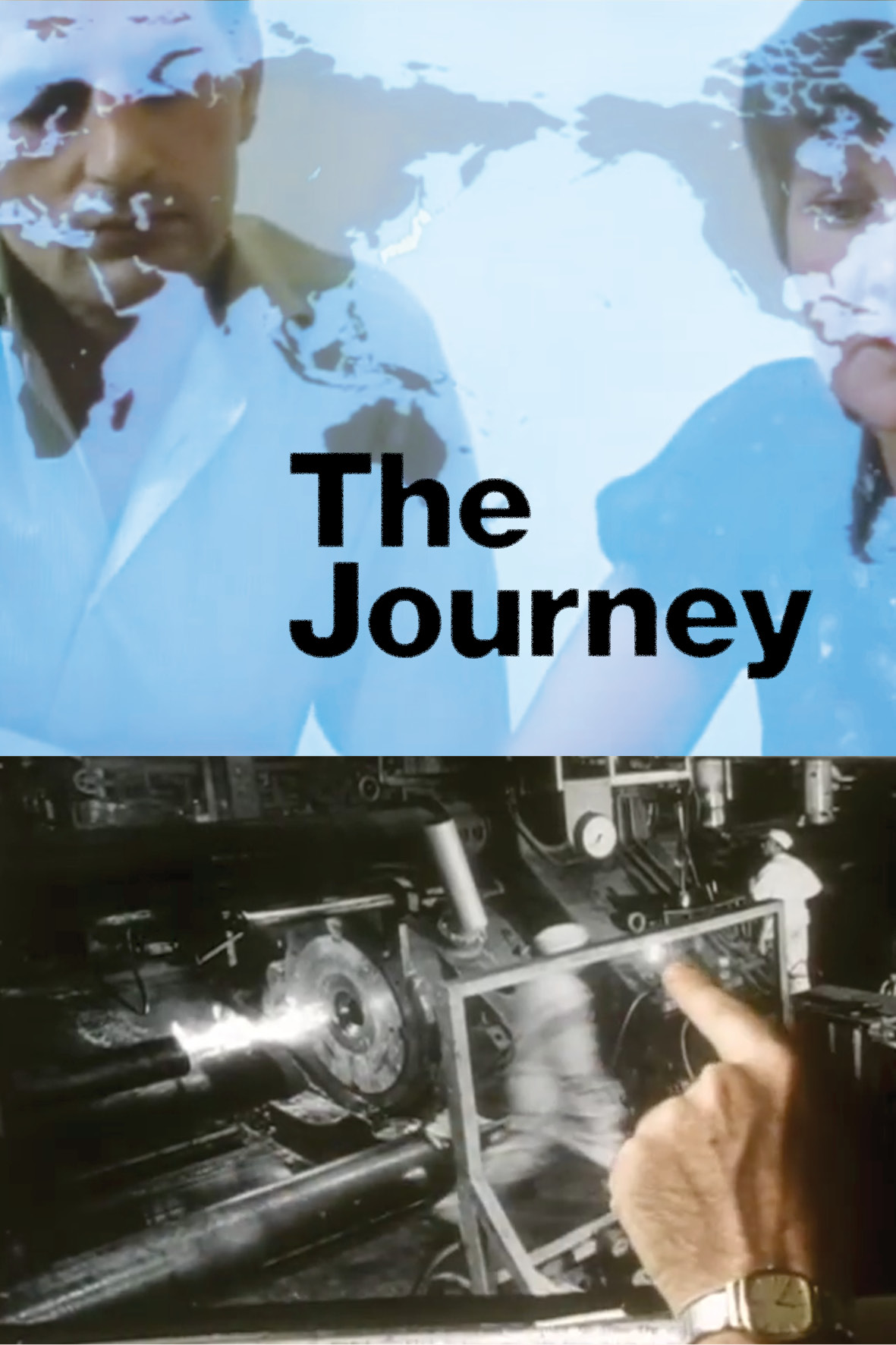
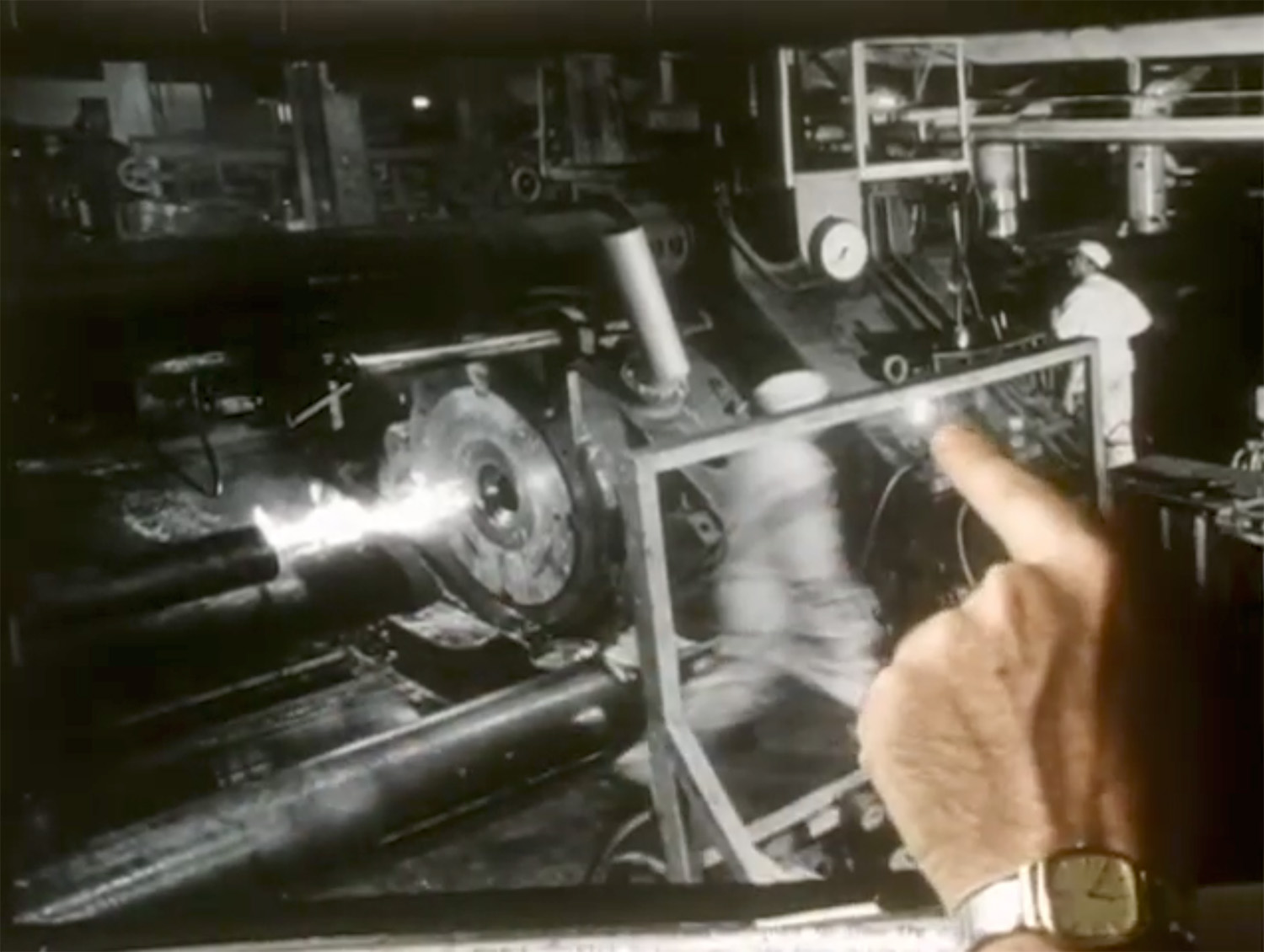
"This film is about systems: the systems under which we all live and the mechanisms they use to deprive us of information and participation." The Journey is both one of the most monumental films in cinema history, with a running time of over 14 hours, and one of the most comprehensive works ever made on nuclear armament. Filmed over three years with the help of activist groups around the world, from Norway to Scotland, Tahiti to Mexico, Watkins's documentary is, in his own words, a narrative about "the systemic impact of the global nuclear regime across twelve countries, building an intricate series of connections between the state of the arms trade, military expenditure, the environment and gender politics".
The Journey, one of the director's increasingly valued films over the years, uses the long form of cinema to explore the nuclear issue in depth. Challenging the fast pace of the Monoform that hinders understanding, it conveys this subject, which can only be comprehended slowly and thoroughly, as a viewing experience spread over days.
Further info on The Journey (Resan) (1987) on Peter Watkins's personal website.
The Gladiators (Gladiatorerna) (1968)
| Director | Peter Watkins |
| Screenplay | Peter Watkins, Nicholas Gosling |
| Cast | Arthur Pentelow, Pik-Sen Lim, Hans Bendrik |
| Production | Sweden / 1968 / 110 min. / Color / English, Mandarin, French, German, Swedish, Russian, Hindi / Turkish Subtitles |
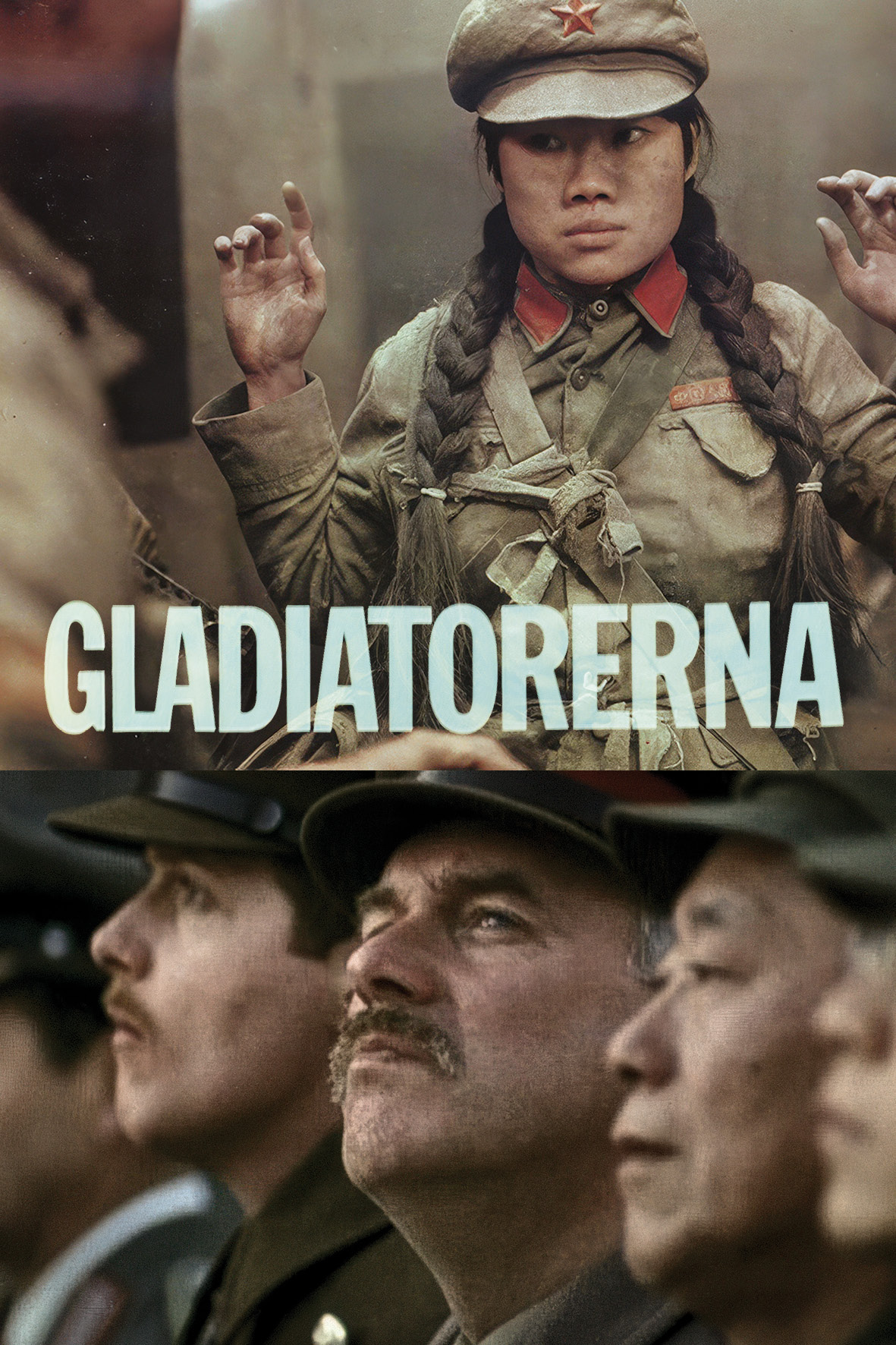
The Gladiators is an early example of survival competition-themed films such as The Hunger Games and Battle Royale.
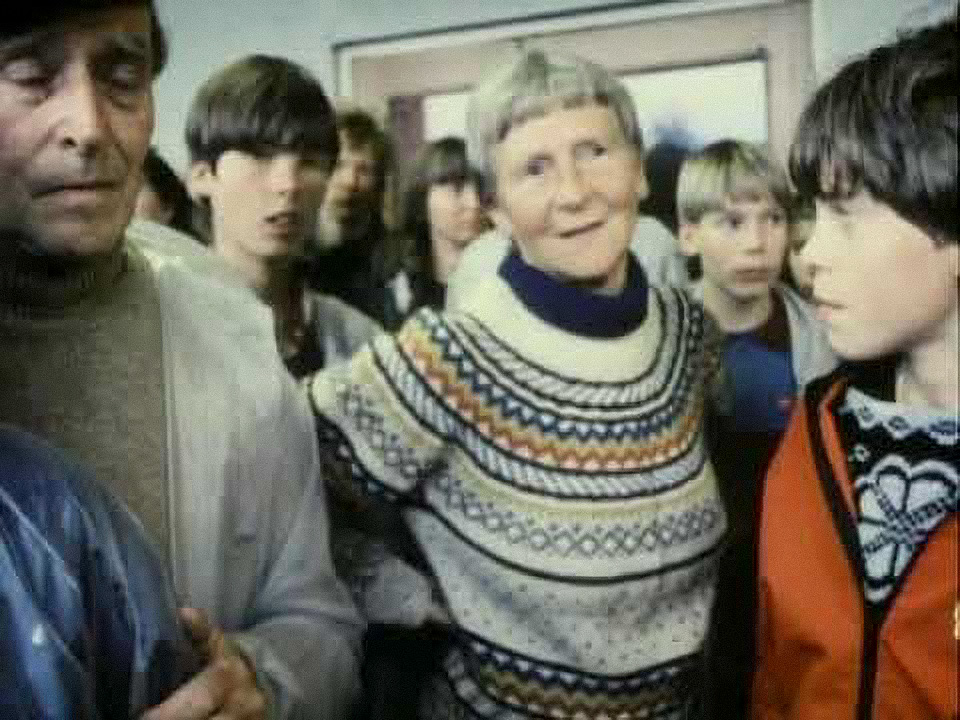
In order to prevent World War III, soldiers from Eastern and Western countries are divided into two teams by a United Nations-like entity and engage in a game of death with the help of an advanced computer controlled by the neutral country of Sweden. In the live-broadcast competition called the Peace Games, accompanied by commercials and sponsors on TV, the soldiers fight for their lives against each other and the disasters unleashed by the computer, while the commanders representing the participating countries issue orders from a secure location.
Watkins's first film shot in Sweden, The Gladiators, which marks the beginning of his semi-exile period, offers a glimmer of hope about how the "war game" can be destroyed, despite the power of the propaganda machine and the world system reminiscent of 1984.
Further info on The Gladiators (Gladiatorerna) (1968) on Peter Watkins's personal website.
The Web (1956)
| Director | Peter Watkins |
| Screenplay | Peter Watkins |
| Cast | Michael Roy, Michael Ratledge, Geraldine Roy |
| Production | UK / 1956 / 20 min. / Black and White / No Dialogue |
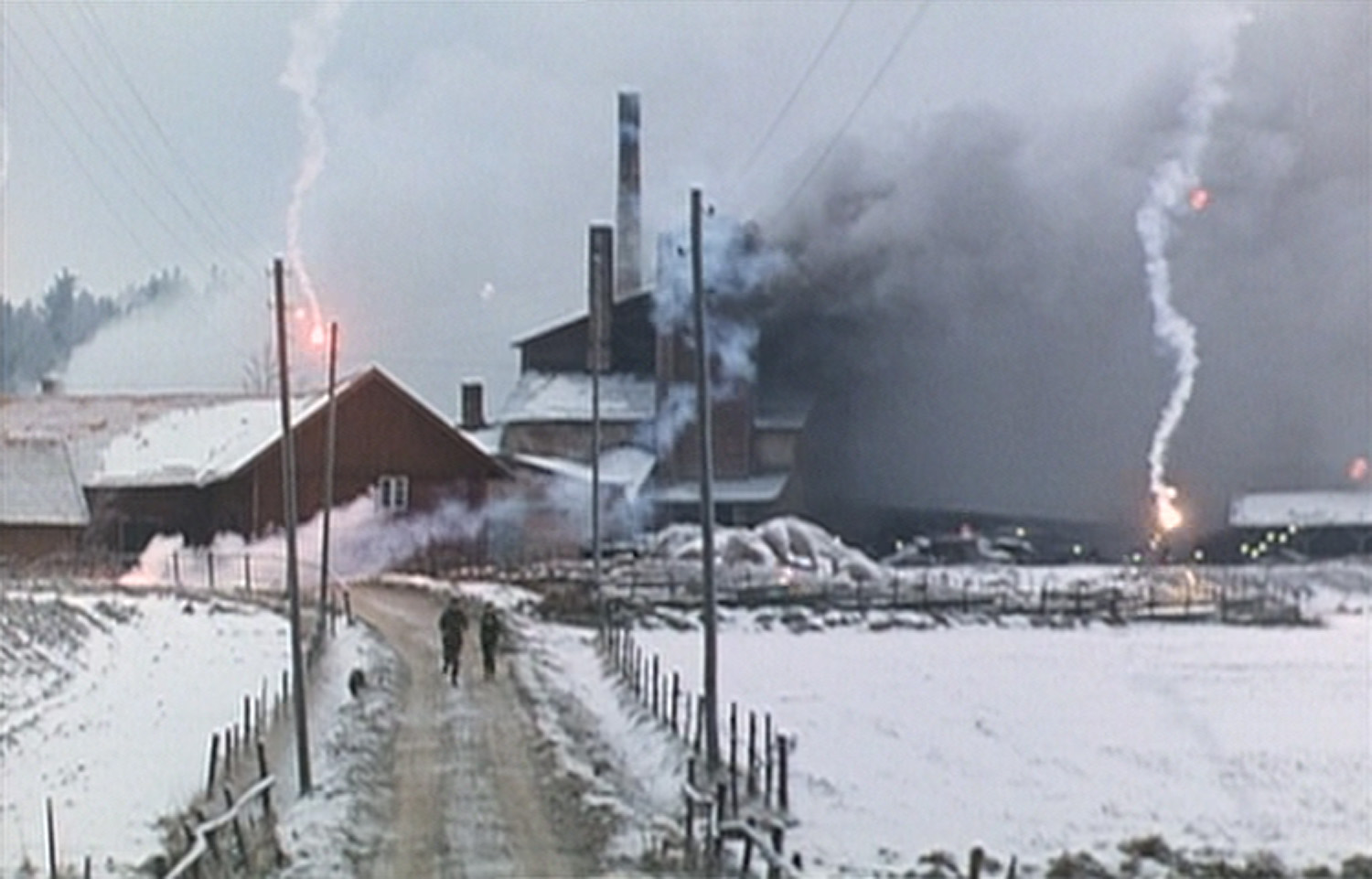
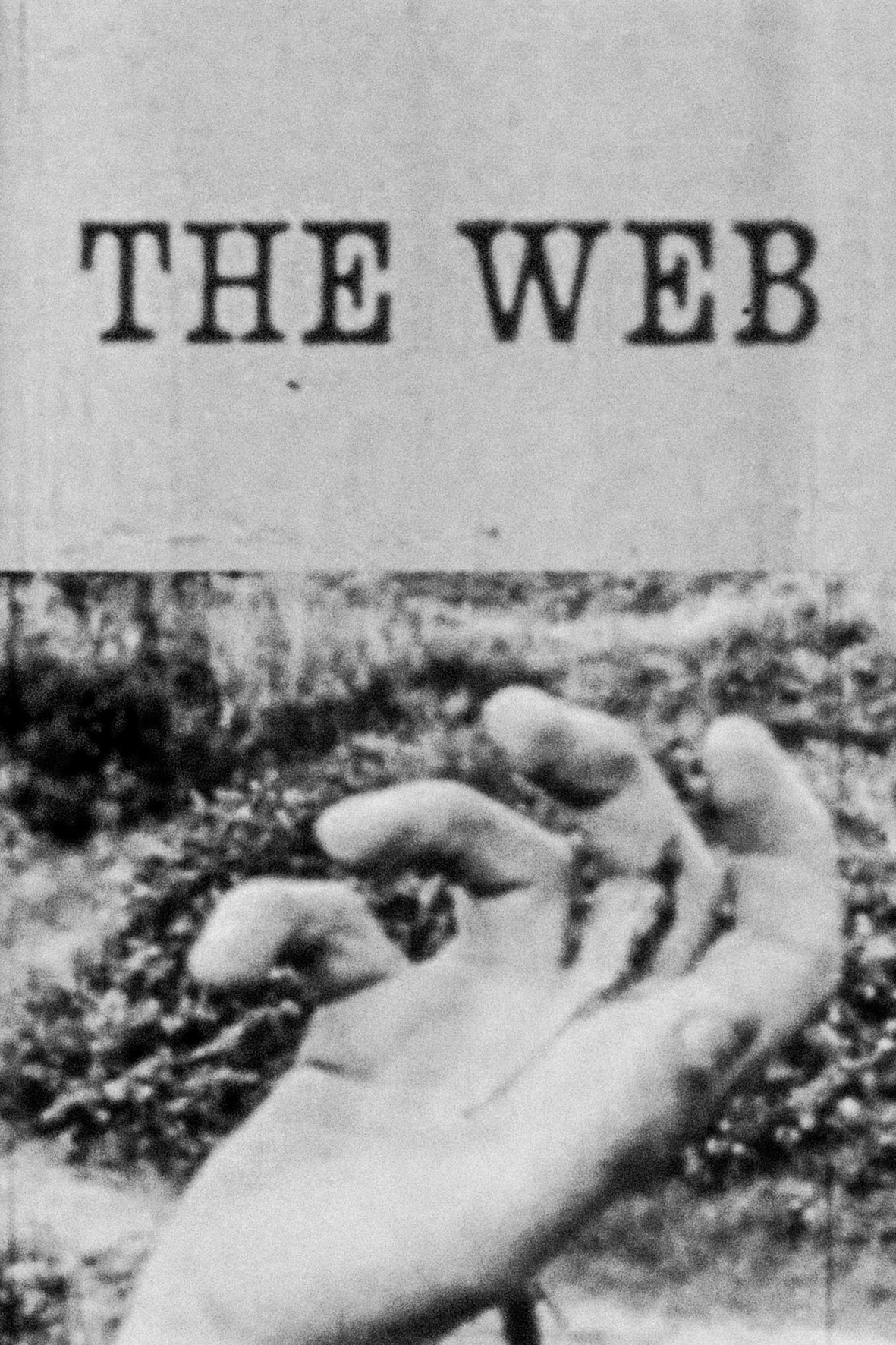
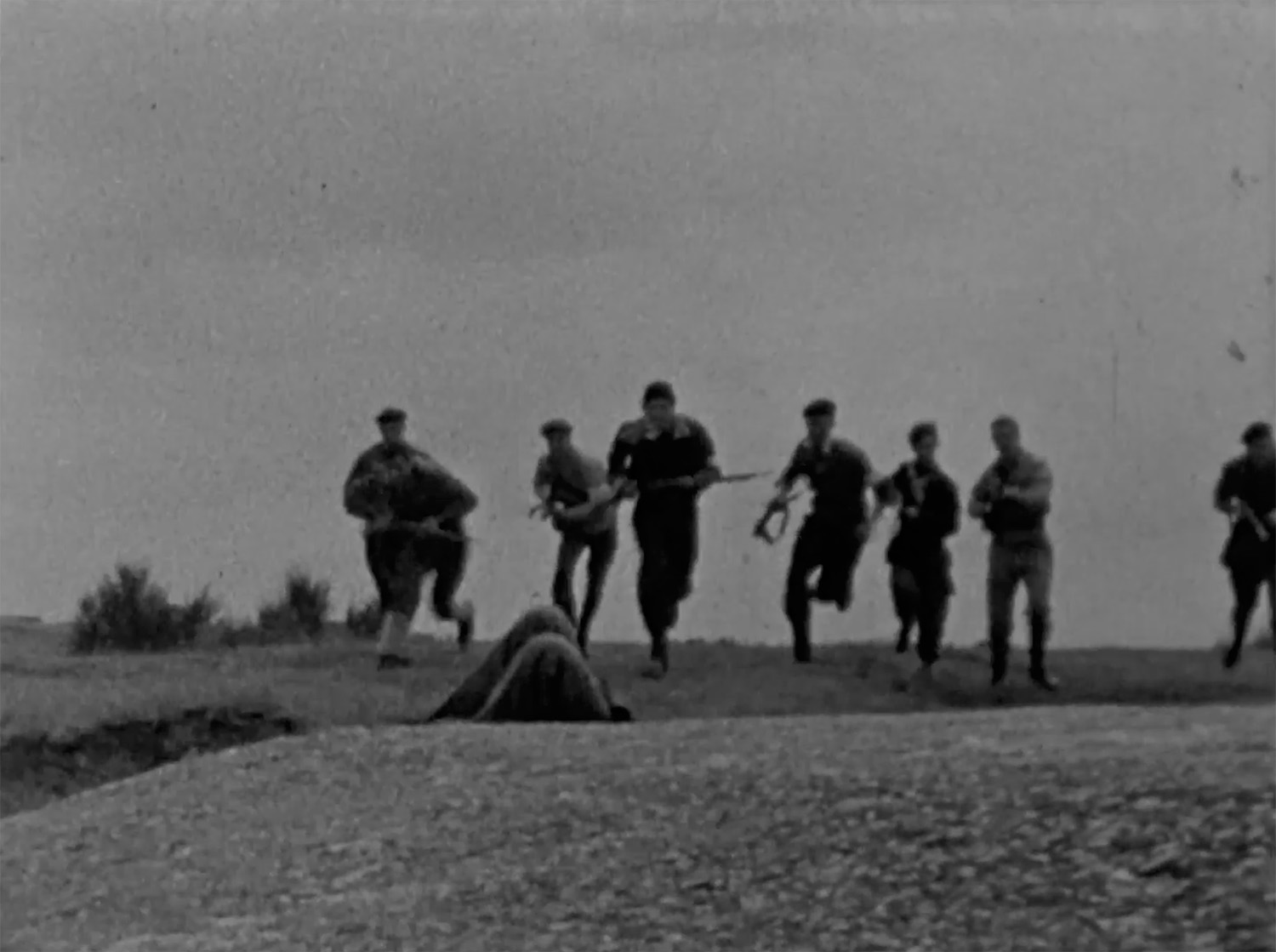
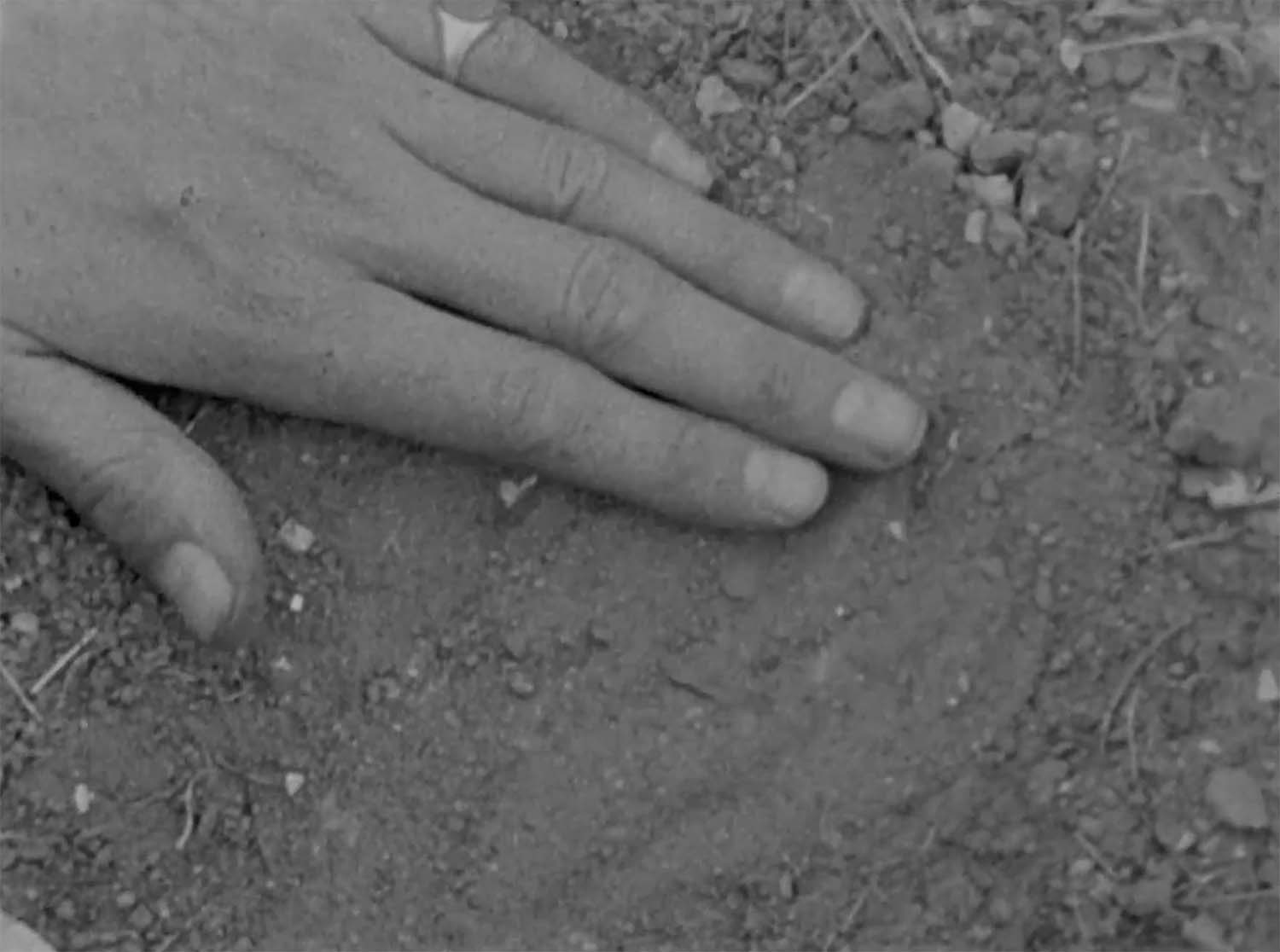
A German soldier fleeing French resistance fighters tries to hide by wearing their uniforms, struggling to survive while filled with fear, and time seems to stand still. The Web, Peter Watkins's first film, shot on 8 mm film when he was 20, has an anti-war theme whose background and production process reflects Watkins's childhood experiences during the war: Having spent nights during the bombing of London sheltering under the family dining table, with the silence punctuated by the wail of sirens, Watkins began his filmography with The Web, going on to make multiple films that question war. His encounter with the amateur theater group Playcraft, with whom he produced his first films, came about thanks to his working in a bureaucratic position in Kent to avoid being sent to Kenya as a soldier.
Watkins's early film, which questions systems and has a humanist perspective, focuses on the effects of war on ordinary people before The Gladiators and Culloden.
The Diary of an Unknown Soldier (1959)
| Director | Peter Watkins |
| Screenplay | Peter Watkins |
| Cast | Brian Robertson, Peter Watkins |
| Production | UK / 1959 / 17 min. / Black and White / English / Turkish Subtitles |
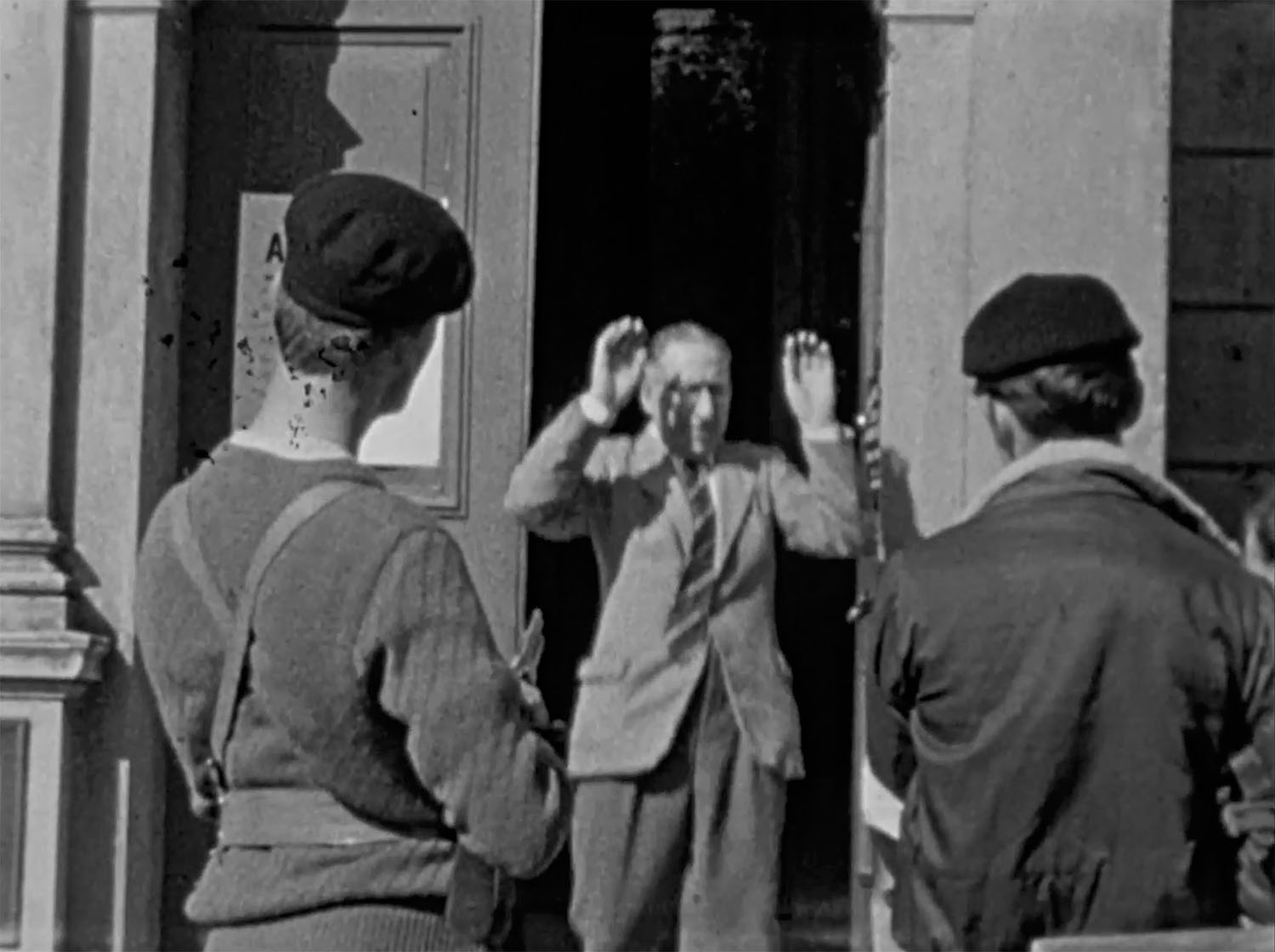
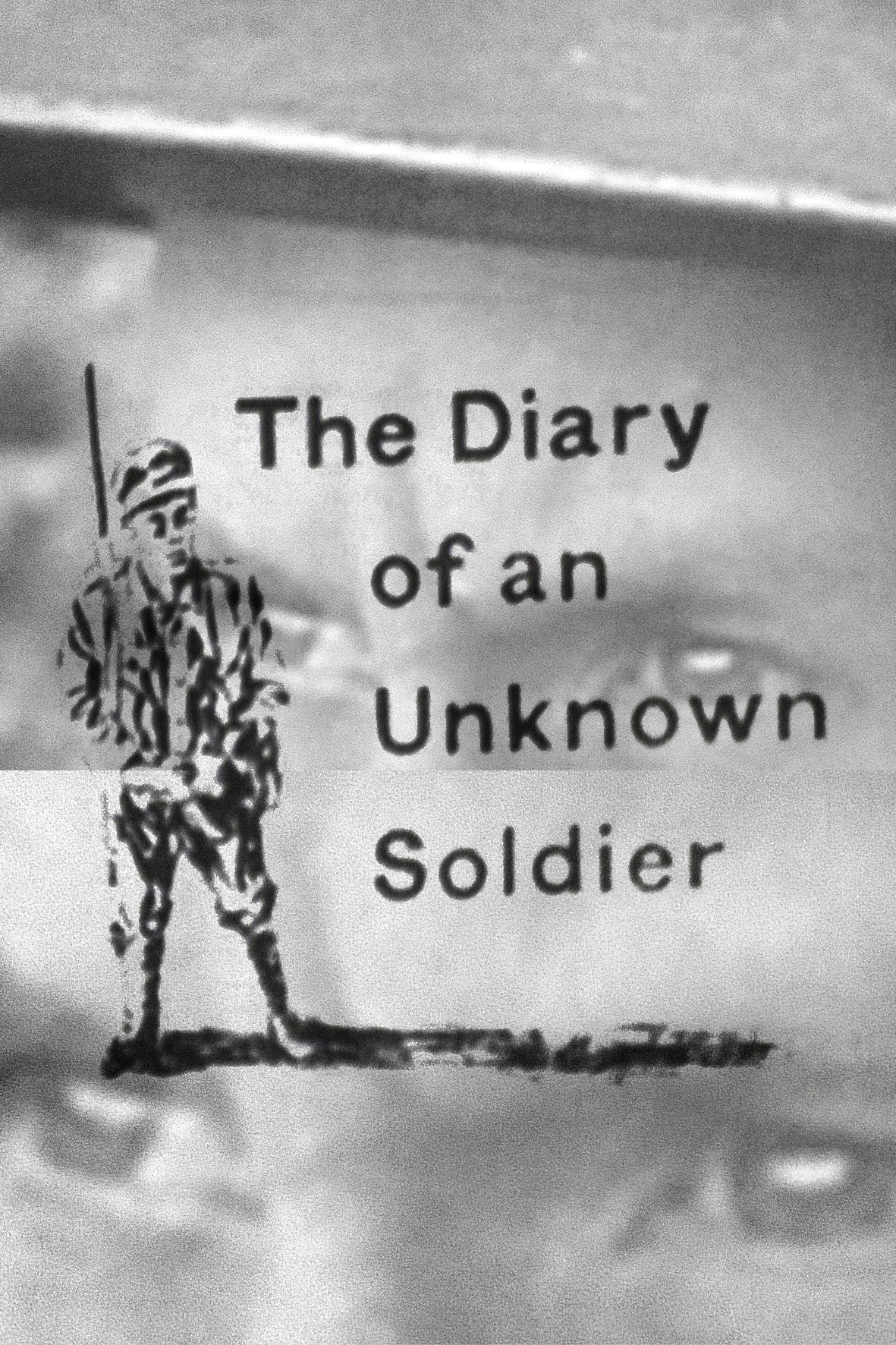
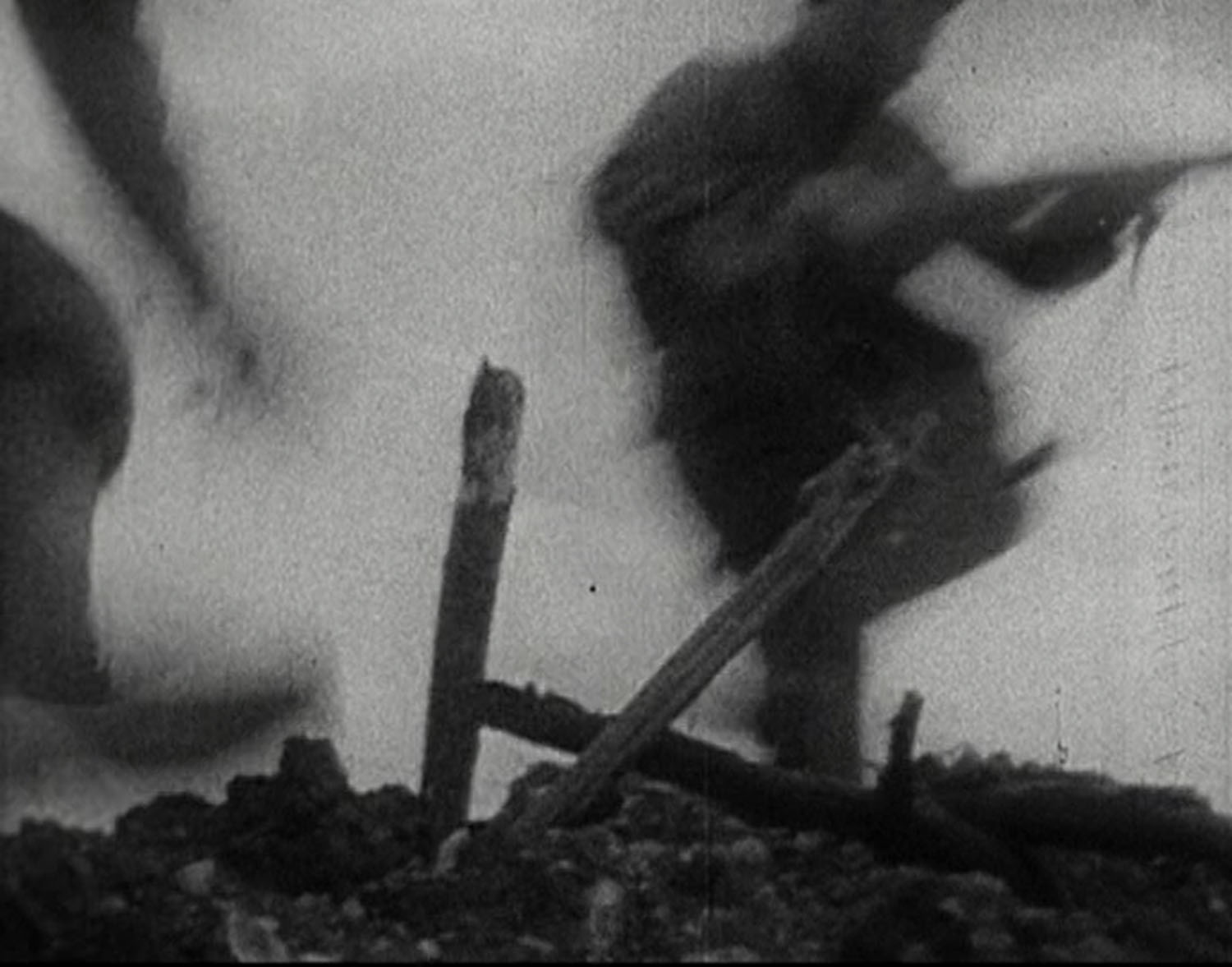
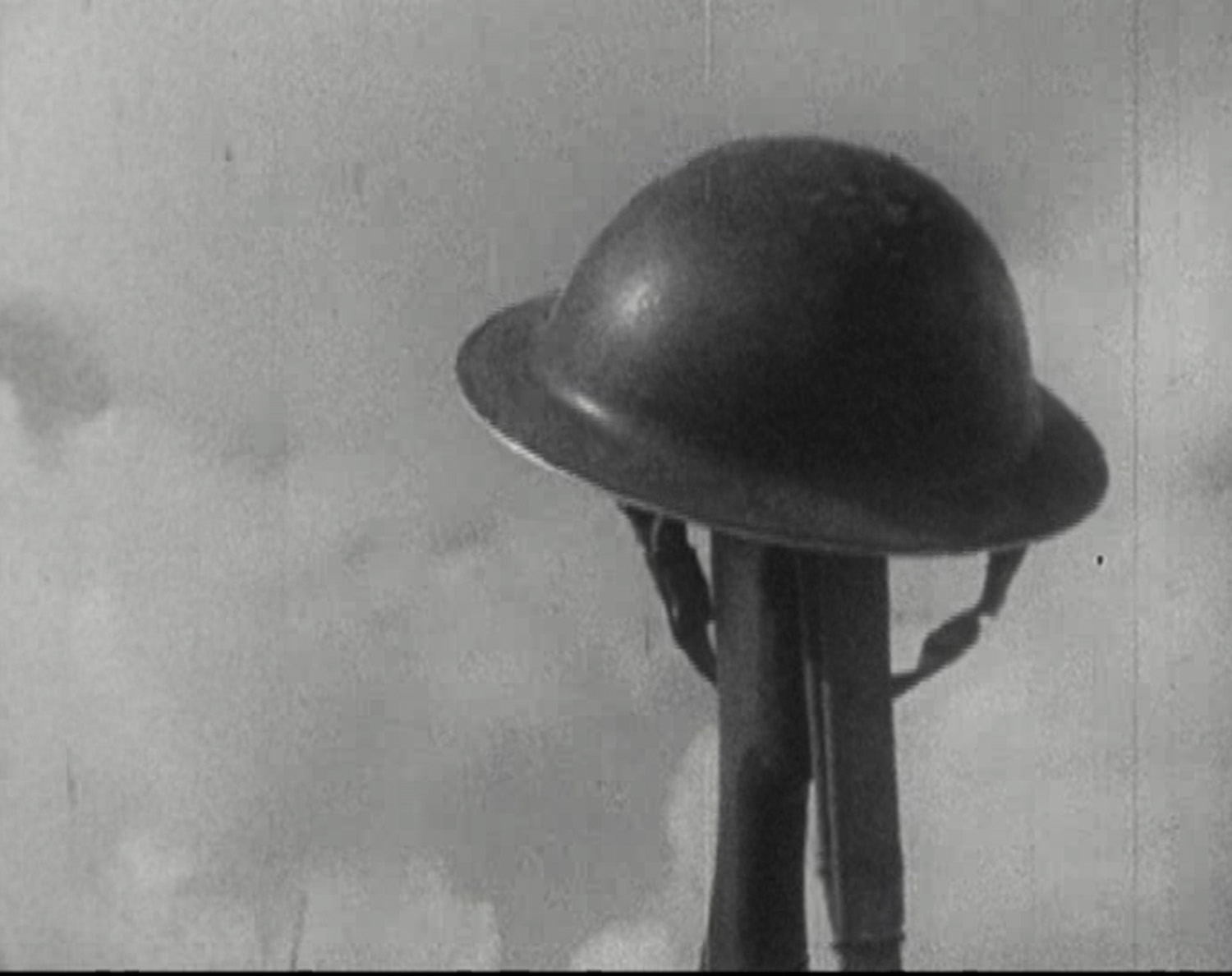
"The last day of my life"… "Watch them cheering. They gained an area of about 200 square yards of mud". These words, spoken by Peter Watkins himself, belong to the British soldier at the center of The Diary of an Unknown Soldier. In this amateur short film set during World War I, this voice of a soldier who does not want to die is accompanied by images of weapons and other soldiers on the front line. Watkins, who places the soldier at the center, uses his cinematic language to draw the viewer into the soldier's psychology and world.
The film is an early sign of Watkins finding his anti-war, anti-establishment voice that defends the right to life early in his career, as well as his frequent looking back at history.
Created with the amateur theater group Playcraft, the film bears traces of an aesthetic that would leave its mark on British independent cinema in the 1960s, particularly through its dynamic camera work and realistic narrative.
Further info on The Diary of an Unknown Soldier (1959) on Peter Watkins's personal website.
The Forgotten Faces (1960)
| Director | Peter Watkins |
| Screenplay | Peter Watkins |
| Cast | Michael Roy, John Newing, Irene Mallard |
| Production | UK / 1960 / 17 min. / Black and White / English / Turkish Subtitles |
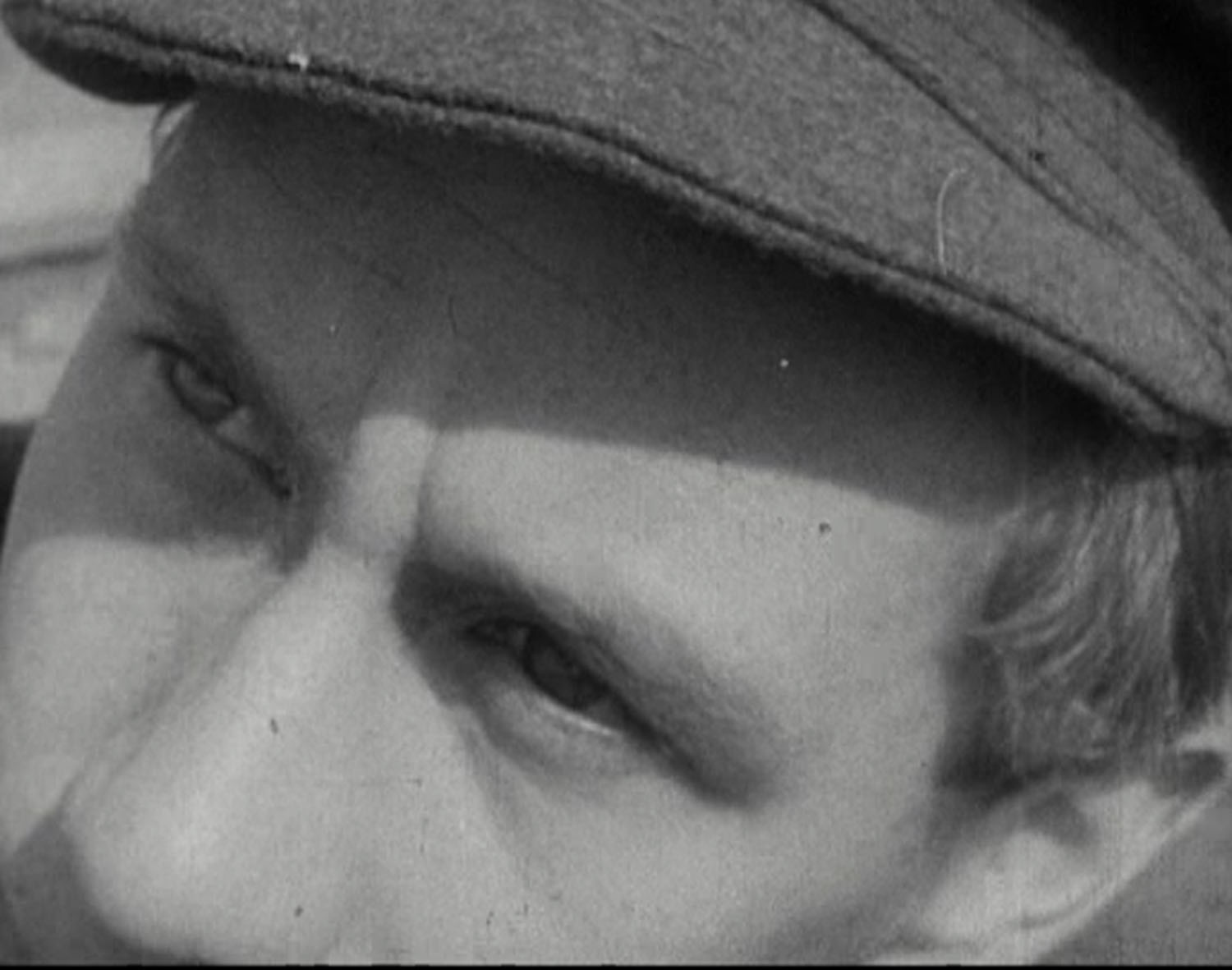
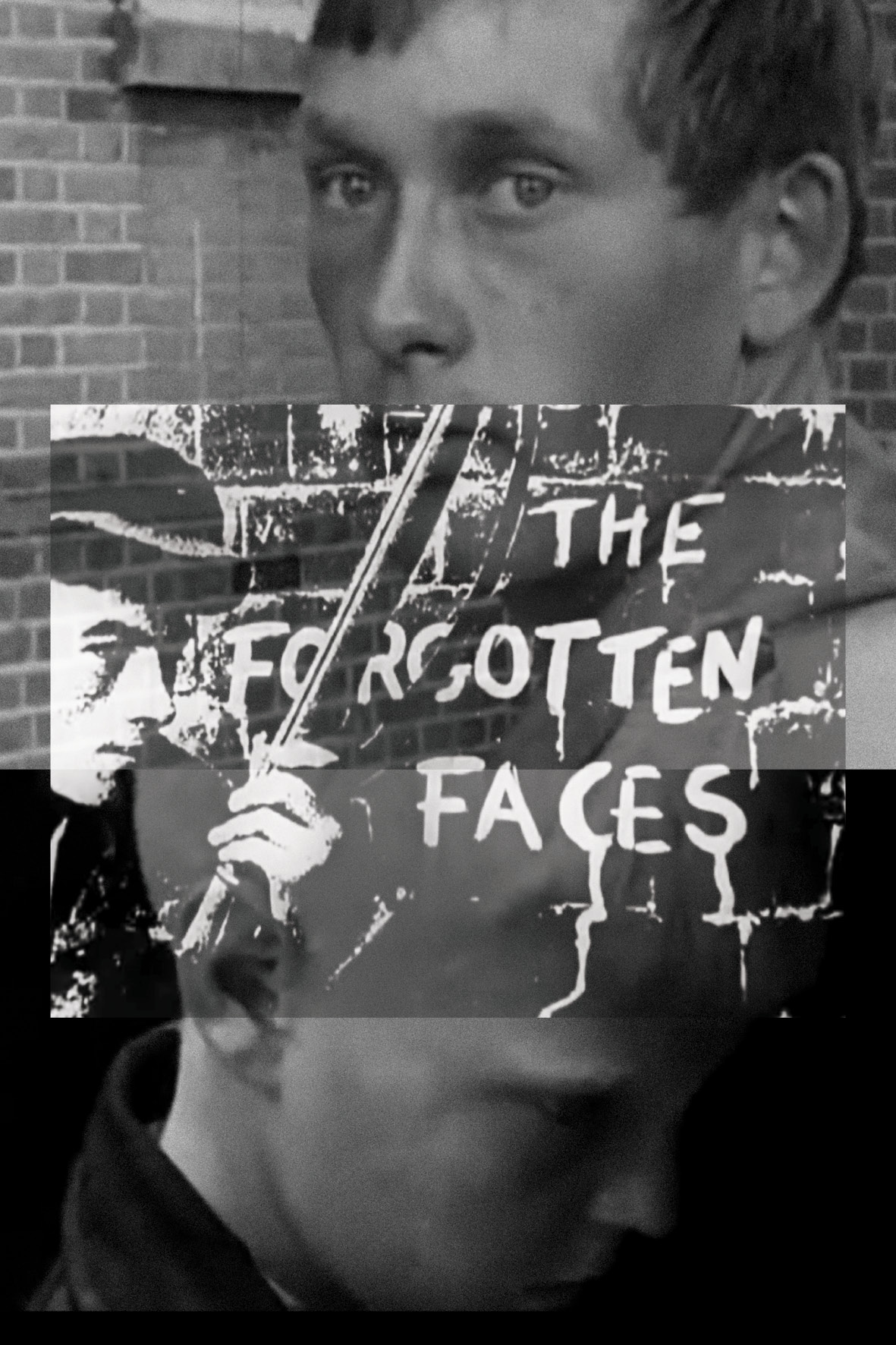
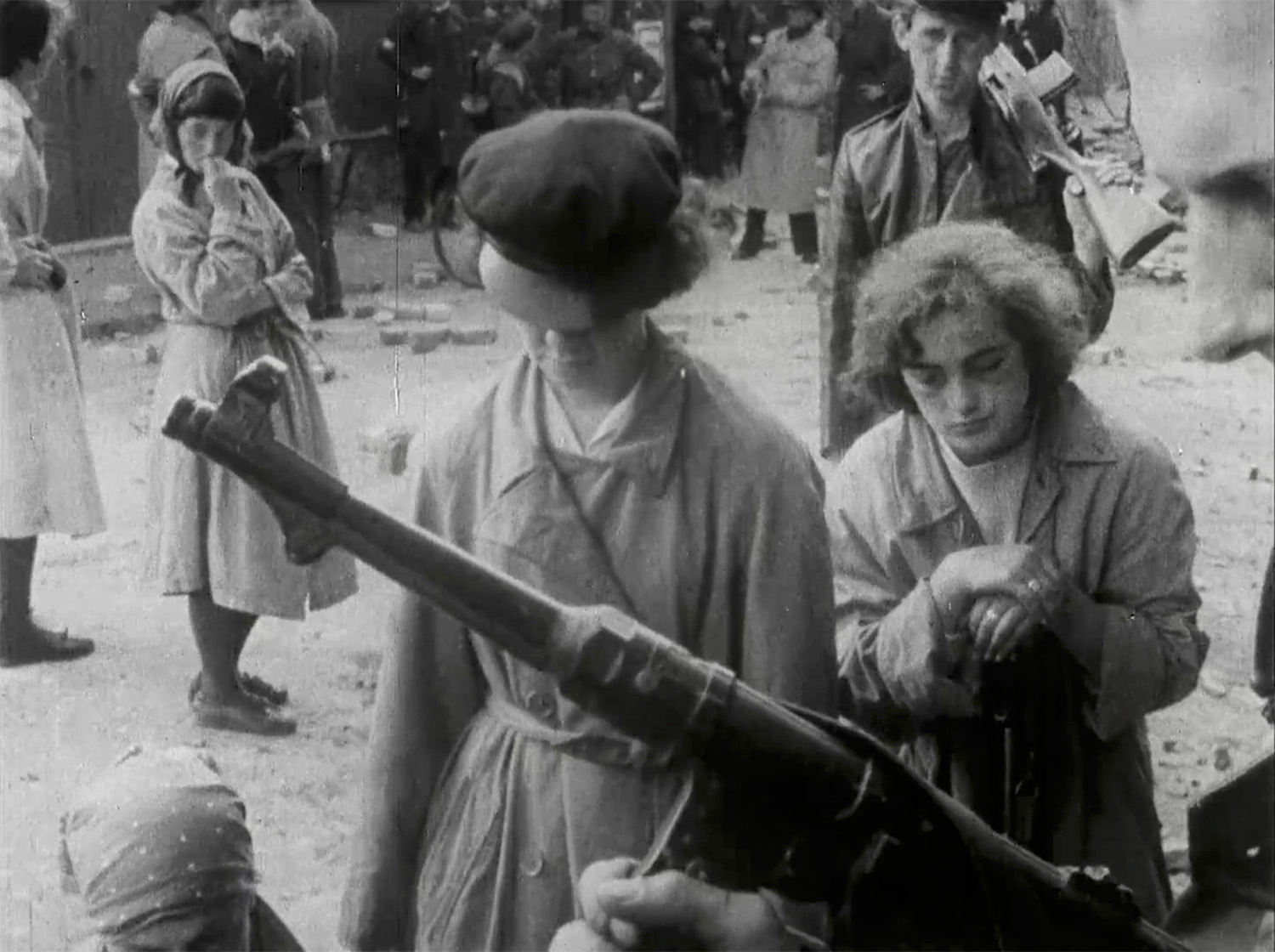
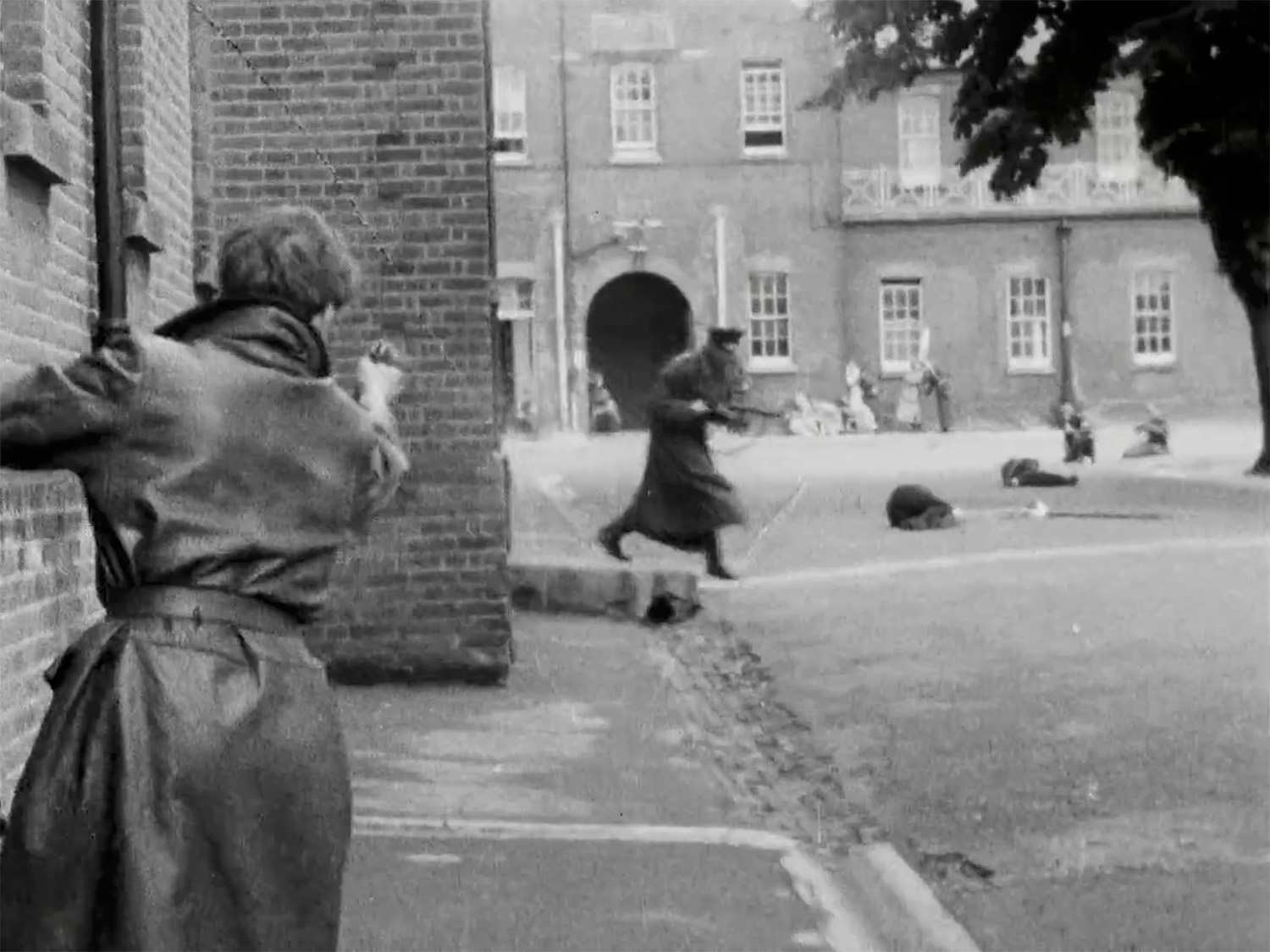
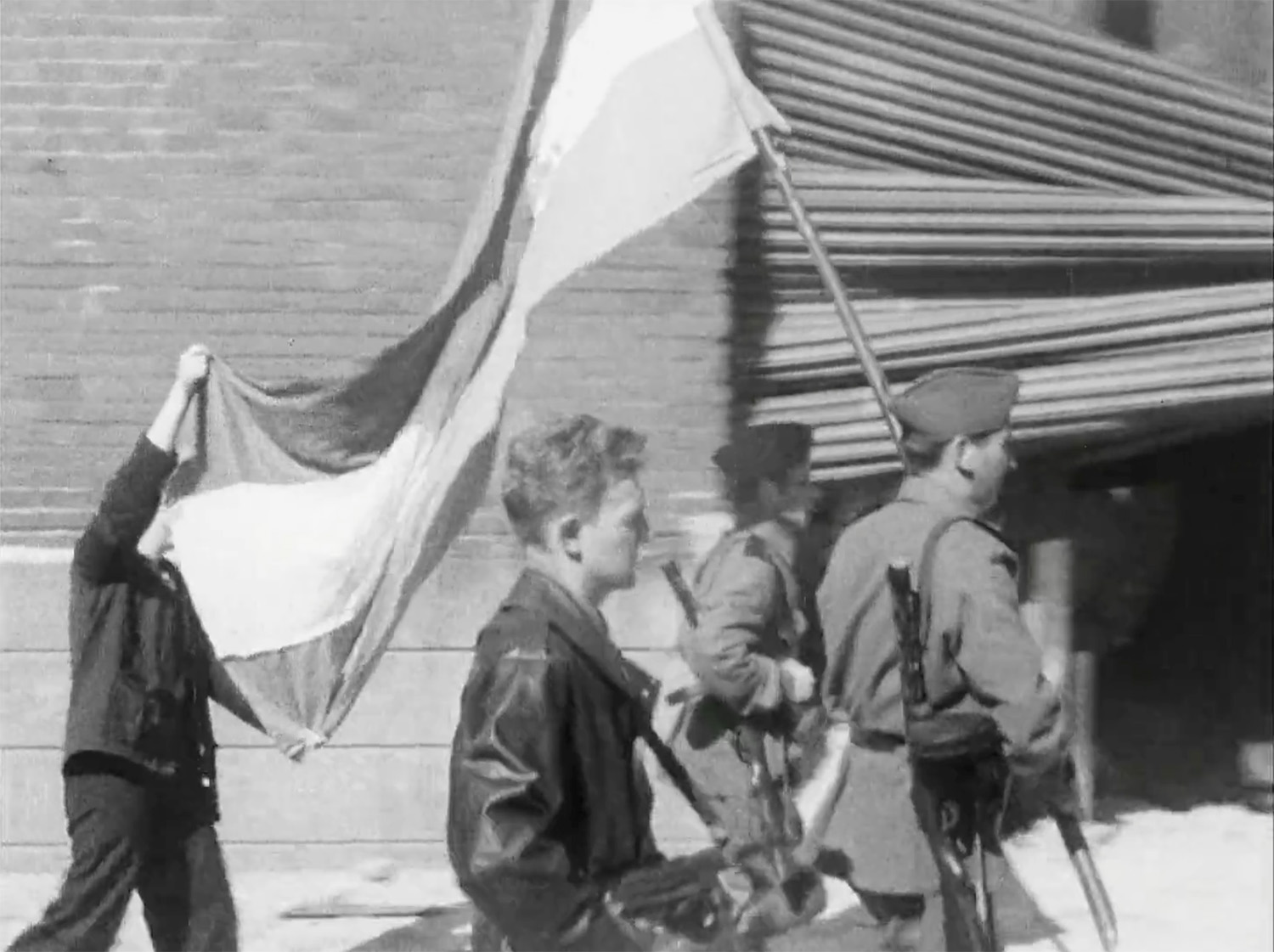
In 1956, teachers, students, technicians, and lawyers in Hungary defied the communist government in a widespread popular uprising, which was violently suppressed. In The Forgotten Faces, Peter Watkins recreates "the wounds of the revolution" in a pseudo-documentary format that would go on to become his signature style. In this film, which he filmed with the amateur theater group Playcraft, transforming the streets of Canterbury into Budapest, the narrative is so realistic that television officials of the time mistook it for archival footage.
Watkins's early film, which recreates the uprising based on real photographs, stems from similar questions as his final film, La Commune (Paris, 1871), made in 1999: Why do political struggles begin, and what are their costs?
The film, which conveys the questions Watkins has explored throughout his career with dynamic camera work and the detached voiceover of newsreels, also highlights the power of the craft of directing that led to his discovery and hiring by the BBC.
Further info on The Forgotten Faces (1960) on Peter Watkins's personal website.
Special Screening:
Peter Watkins's Shorts
7 April 2026, 20.00
Buy tickets ↗
The Web (1956) — 20 min.
The Diary of an Unknown Soldier (1959) — 17 min.
The Forgotten Faces (1960) — 18 min.
Total runtime: 55 minutes
Forum 1
Forum 2

Independent cultural initiative Görültü, in collaboration with Sinematek/Sinemaevi, is organizing Türkiye's first Peter Watkins retrospective, bringing 11 of Watkins's films to audiences.
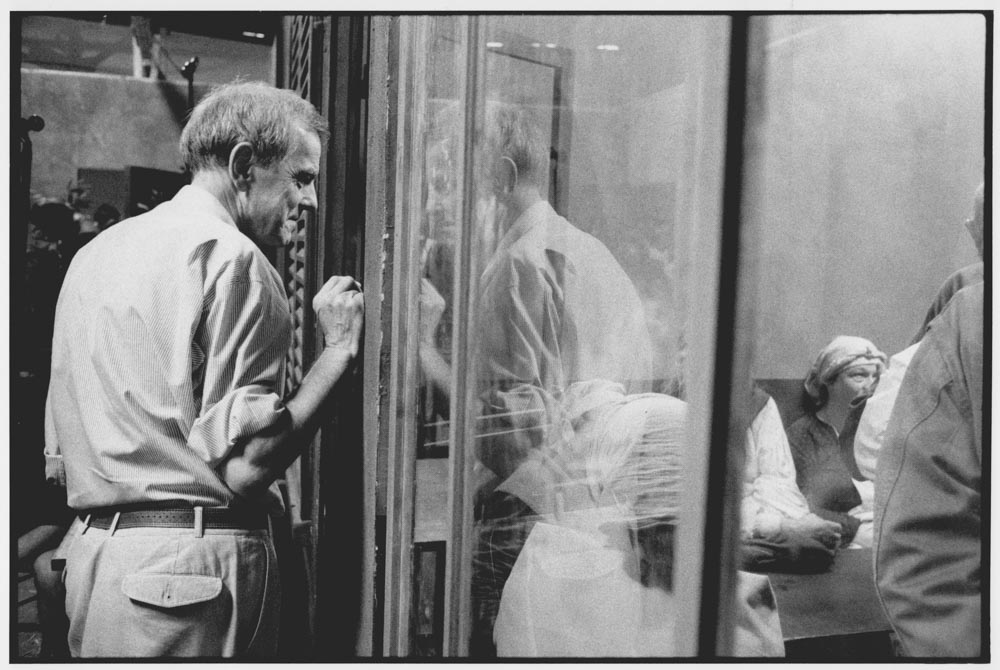
Focusing on the British filmmaker who passed away in October 2025 at the age of 90, the program titled Peter Watkins: No Shortcuts features Watkins's most famous film, the political dystopia Punishment Park, the pseudo-documentary The War Game, which won an Oscar after being banned by the BBC, Edvard Munch, which he called his most personal film, the 14-hour anti-nuclear film The Journey, whose production spanned years and continents, and La Commune (Paris, 1871), which pioneered a new path through collective production methods.
From his earliest short films, Watkins blurred the boundaries between fiction and documentary, transforming the pseudo-documentary genre, of which he was a pioneer, into an increasingly effective tool for addressing issues such as systematic state violence, the violent suppression of rights struggles, inequality, and mass armament. The narrative power he achieved through the pseudo-documentary form broke new ground not only in cinema but also in visual narratives extending into contemporary art.
Throughout his career, Watkins looked at politics and history and tried to make systems of oppression visible, facing mass media that misinformed the public, censorship, and powers that destroyed the quest for equality. Reflecting on these issues, he sought an escape from the outlook of the singular creative and the hierarchical position of the director, and used collective production methods that reached their peak with his last film, La Commune (Paris, 1871). He opened up space for amateur actors and creative partnership in the production of his films, and also invited the audience into this space never losing his belief in the power of thinking together.
Despite being constantly censored and excluded by many institutions, and being deprived of production opportunities, Watkins never compromised his stance or his pluralistic approach to production. When he was unable to make films, he continued to develop his ideas through articles, notably The Dark Side of the Moon - The Global Media Crisis, in which he voiced his strong objections to the dominant language of mass audiovisual media, which he named the Monoform.
We would like to express our sincere gratitude to Patrick Watkins, Peter Watkins's son, for his tremendous support throughout the entire process since our initial proposal last spring to bring the Peter Watkins: No Shortcuts program to audiences in Türkiye.